
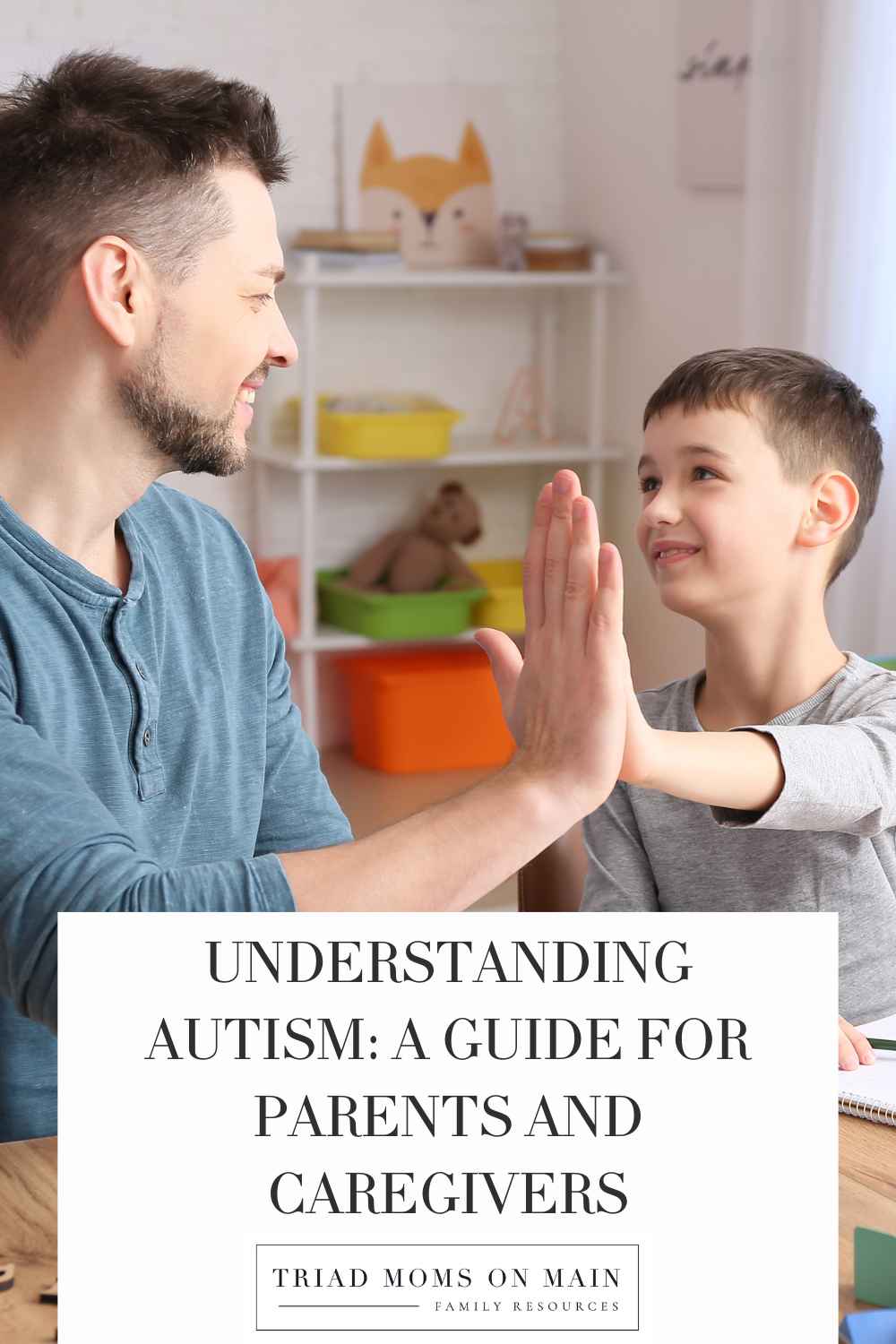
Understanding Autism: A Guide for Parents and Caregivers
Seeing Claire Danes win a Golden Globe recently reminded me how much I loved the movie Temple Grandin. It’s a great segue to this week’s special needs topic: autism spectrum disorder (ASD). Let’s start with a simple definition and important facts every parent should know.
What Is Autism? A Simple Definition
Autism, or autism spectrum disorder, is a neurological condition that affects communication, social interaction, and behavior. Symptoms typically appear before a child’s third birthday. Autism occurs about four times more often in boys than girls and may affect as many as 1 in 110 children overall — nearly 1 in 70 boys.
Contrary to popular portrayals like Dustin Hoffman’s character in Rainman, most individuals with autism have significant learning challenges. Many rely on pictures or symbols to communicate rather than spoken language.
Early Signs and Symptoms of Autism in Children
How do you know if a child might be autistic? Early signs vary, but parents often notice:
- Lack of interest or difficulty engaging in play and social interaction
- Limited or no eye contact with caregivers
- Delayed or absent spoken language
- Repetitive behaviors such as hand flapping, rocking, or toe walking
- Strict adherence to routines or rituals
- Intense focus on parts of objects rather than whole items
Some children display more subtle signs and require speech therapy or professional evaluation for diagnosis.
Diagnostic Criteria for Autism Spectrum Disorder
A diagnosis of autism requires impairments in these three key areas:
1. Social Interaction Difficulties
Children with autism may struggle to relate to others, find it hard to play with peers, avoid eye contact, and have trouble sharing experiences.
2. Communication Challenges
Both verbal and nonverbal communication skills can be affected, including difficulties with speech production and conversational abilities.
3. Restricted and Repetitive Behaviors
This can include stereotyped movements, insistence on routines, unusual fixations on objects, and limited interests.
(Source: American Psychiatric Association, DSM-IV, 1994)
Other Common Indicators of Autism
Additional signs that may or may not be present include:
- Difficulty with eating, sleeping, or toileting
- Unusual fears or lack of danger awareness
- Self-injurious behaviors
- Sensory sensitivities, such as extreme reactions to sound or touch
For example, Temple Grandin created a “hug machine” to simulate comforting pressure, helping manage sensory overload—a common trait among individuals with autism.
Is Autism Treatable? Early Intervention Matters
While there is no known cure for autism, early diagnosis and intervention can dramatically improve outcomes. Children do not outgrow autism, but therapies focused on communication, social skills, and behavior help them thrive.
What To Do If You Suspect Your Child Has Autism
Watch for these warning signs:
- Delayed or no speech development
- Repetitive movements or language
- Avoidance of eye contact
- Lack of interest in peers
- Absence of imaginative play
- Fixation on parts of objects
If your child exhibits any of these behaviors, document specific details like timing, context, and triggers. Share this information with your pediatrician or healthcare provider for further evaluation.
Local Resources for Families Affected by Autism in North Carolina
Here are some valuable organizations and programs to support autistic children and their families in North Carolina:
- Learning Disabilities Association of North Carolina (LDANC): Advocates for equitable opportunities and provides education and support. Visit ldanc.org or email ldanc@mindspring.com.
- North Carolina Department of Public Instruction – Exceptional Children Division: Ensures individualized education plans for students with disabilities. Visit ncpublicschools.org/ec.
- NC Early Intervention Service for Infants and Toddlers (0-3 years): Provides early support services for young children with special needs. Contact Duncan.Munn@ncmail.net or visit ncei.org.
Final Thoughts: Hope and Support for Parents
The most important message? Be patient, know you are not alone, and reach out for help. Parents of children with autism are some of the strongest advocates around, and countless resources exist to support you and your family.
Do you have an autistic child or know someone who does? Please share your experiences, advice, or helpful resources below to support others on this journey.
By Guest Blogger Kristen Bagwell
Want to see more blogs like this and also get notifications on local events and happenings? Subscribe to our free weekly newsletters