
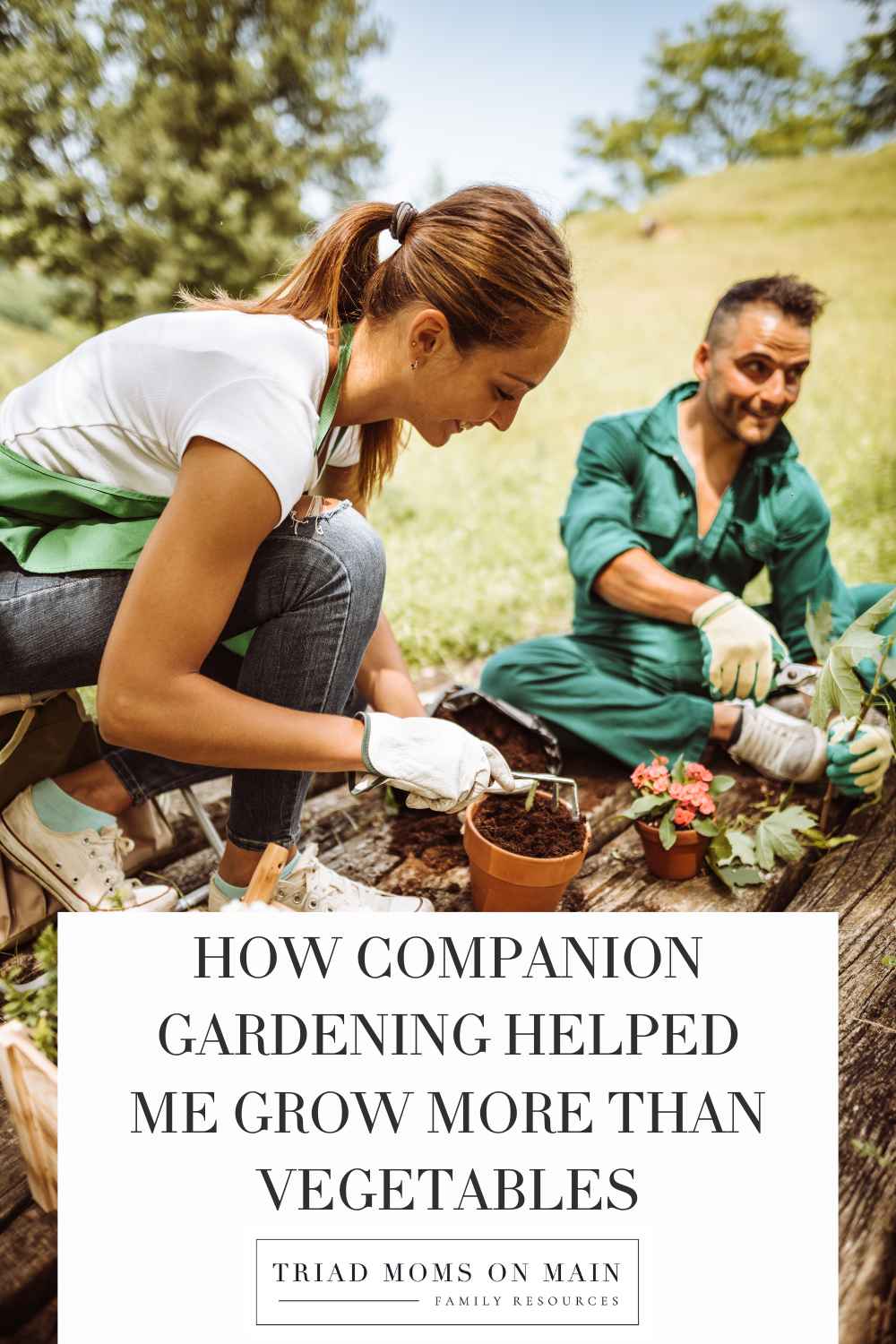
How Companion Gardening Helped Me Grow More Than Vegetables
Moving to North Carolina: A Gardener’s Dream
When we moved to North Carolina from Michigan in 2019, one of the Southern-living perks I was most excited about was the longer growing season. Compared to snowy Detroit—where it literally snowed on my twins’ birthday in mid-April—Greensboro offered at least two extra months of gardening. That meant more time to experiment, grow, and test out my green thumb in a new zone.
I quickly learned about companion gardening, which is planting specific crops together to boost productivity, deter pests, and enhance growth. This method shaped not only my garden but also my mindset, reminding me of the power of connection—in plants, people, and projects.
Starting with a Southern Shade Garden
Our first year in Greensboro, I dove into creating a perennial shade garden full of Southern favorites like hostas, astilbes, ferns, azaleas, and hydrangeas. I also branched out with annuals—begonias in summer and pansies in fall—something I’d never bothered with up North. This combo kept my garden blooming beautifully for over six months.
With two one-year-olds toddling around, gardening became more than a hobby. It was a way to clear my mind, move my body, and find calm amid the chaos. I realized that nurturing life—plants or otherwise—can be incredibly grounding and healing, especially for new moms.
Raised Garden Beds and the Power of Companion Planting
This year, I took things a step further with raised garden beds for growing vegetables. And once again, companionship played a big role. Through my research on organic gardening and pest prevention, I discovered that companion planting was the best approach to creating a thriving vegetable garden.
We also took on a DIY landscaping project by building a stone pathway alongside the garden beds. This path doubled as a drainage solution and gave us the dirt we needed to fill the beds—a perfect example of sustainable thinking and smart resource use. It felt like everything was working together in harmony.
DIY Stone Pathway: Form Meets Function
First, we marked the path every five feet with stakes to keep things even. We dug a swale about eight inches deep with slightly higher edges. After renting a $20 U-Haul pickup, we hauled three loads of 1-inch gravel, layered weed mat, and topped it with decorative 3/8″ stone mix.
We placed large steppingstones and edging to finish it off. The dirt we displaced from the path? It went straight into the garden beds. This type of DIY garden path project is perfect for families looking to improve drainage and add beauty to their backyard space.
Building the Garden Beds
We didn’t have quite enough soil from the path dig to fill the beds, as half of it was used to level our sloped plot. I reused some old bricks to build a border—messy but effective thanks to the post-rain mud acting like mortar.
In the beds, we started with bulky organic material like twigs, Sweetgum balls, grass clippings, and fall leaves, then added a mix of native clay soil, garden soil, and compost, topping it off with organic no-mix garden soil. This layered approach will improve soil health over time, a method sometimes called hugelkultur.
What We Planted in Our Organic Raised Beds
After the last frost, we started planting directly outdoors using organic seeds. In one 3×6 raised bed, we planted carrots, bell peppers, cilantro, mesclun greens, and green beans. In the second bed: strawberries, tomatoes, and onion sets. I aimed for a balance between companion plants and foods our family loves most.
Since we’d be traveling for a month, I installed a sprinkler on a timer to water the beds daily at 8am. With any luck, we’ll return home to sprouts needing stakes and cages!
Gardening with Kids and Creating Connection
My favorite companion in this project? My husband, Mike. While I thrive on deadlines, he avoids them—so completing this project in under a month before our trip was no small feat. But we made it!
Gardening with toddlers in tow isn’t easy, but it’s deeply rewarding. It’s taught me patience, mindfulness, and resilience. Whether you’re planting a single pot on a balcony or a full backyard plot, gardening with kids can create lasting memories and life lessons.
Final Thoughts on Companion Gardening
Like most things in life, this garden will be an ongoing lesson in trial and error. But that’s the beauty of gardening—it keeps you grounded in the moment and tuned in to nature. Companion gardening has helped me understand the importance of balance, not just in soil but in life. Give a little, take a little, and always find a way to grow—preferably in good company and full sun.
By Guest Blogger Ashley Quinn Kibby
Want to see more blogs like this and get notifications on local events and happenings? Subscribe to our free weekly newsletters here.
If you like this blog on Companion Gardening You Might Like These Too:
Raising Environmentally Aware Children