
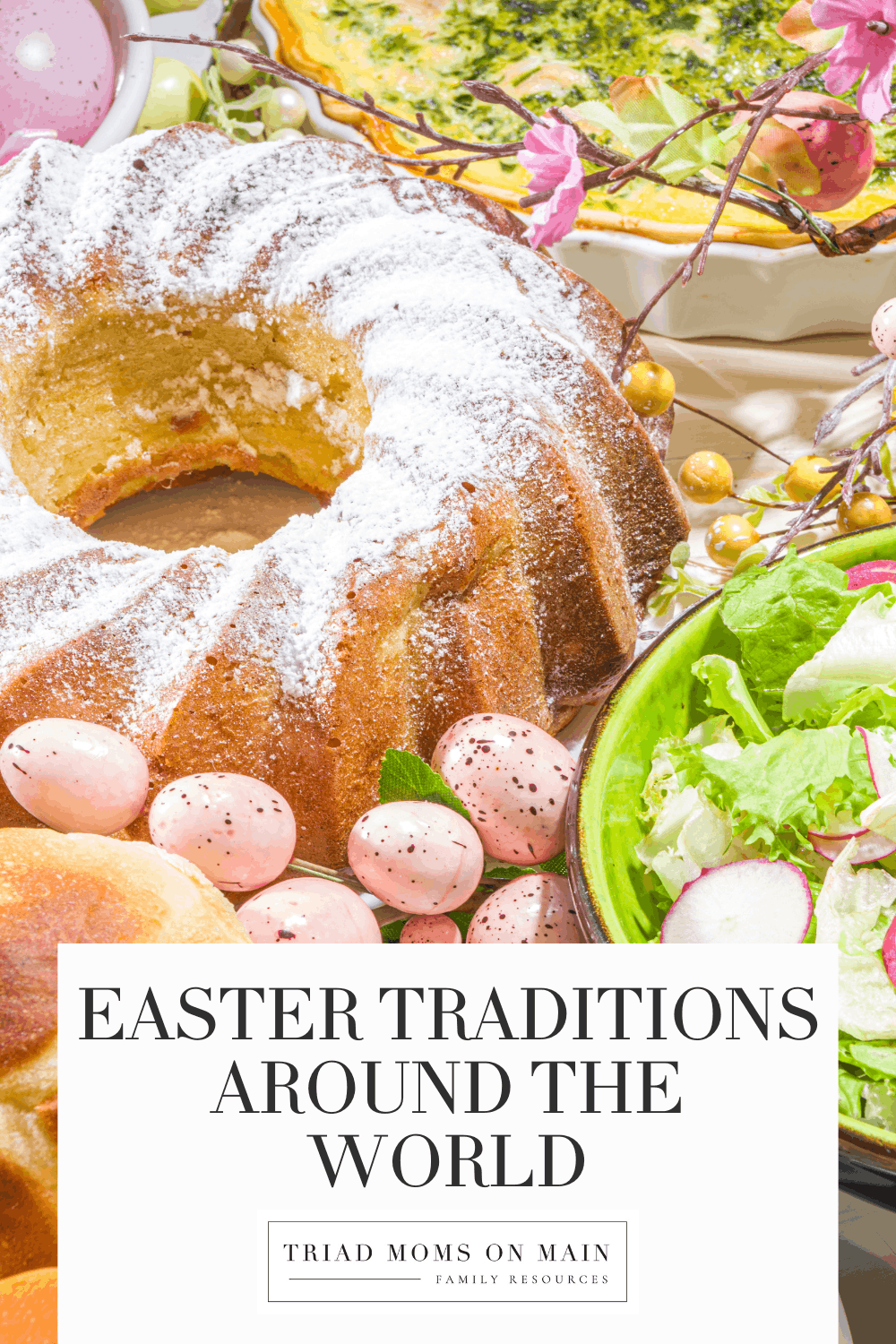
Easter Traditions Around the World
Easter Egg Decorating and Cultural Easter Experiences
Easter egg decorating is one of the most recognizable and beloved Easter traditions, and for families in the Piedmont Triad, it’s often the highlight of the holiday weekend. Beyond the pastel dye kits and backyard egg hunts, the story of the Easter egg is rich with meaning, history, and fascinating global customs. Understanding the origins of these traditions can make your family’s celebration feel more intentional and educational.
For parents looking to create meaningful moments at home, exploring Easter traditions around the world offers both cultural enrichment and fresh decorating inspiration. From ancient symbolism to modern egg rolls, the Easter egg connects generations through creativity and celebration.
The History Behind Easter Traditions
Eggs have long symbolized rebirth and new life, even before becoming central to Christian Easter celebrations. Ancient civilizations such as the Egyptians and Persians exchanged decorated eggs during spring festivals to mark seasonal renewal.
In Christian history, the Easter egg became closely associated with Lent. During the 40 days leading up to Easter, many believers abstained from certain foods, including meat and animal products. However, hens continued laying eggs, resulting in an abundance by Easter Sunday. So eggs became a celebratory food marking the end of Lent and symbolizing resurrection and new life.
Easter Traditions Around the World
Introducing children to these Easter traditions around the world transforms a familiar activity into a global learning experience. It’s an easy way to combine creativity with cultural awareness.
PYSANKA, UKRAINE – One of the most intricate forms of Easter egg decorating is the Ukrainian tradition of batik. It uses wax to create meaningful patterns, symbols, and vibrant colors. Some eggs are raw, others are cooked, but all are carefully crafted works of art.
EASTERN EUROPE – The red-dyed eggs symbolize the blood of Christ and are sometimes planted in fields to bless crops and protect against harsh spring weather. Medieval churches even incorporated eggs into playful traditions, such as tossing hard-boiled eggs between choir boys during Easter celebrations.
UNITED KINGDOM – A tradition called Pace-egging involves rolling decorated eggs down grassy hills. The activity is simple, but the competition can be fierce. We also get the tradition of hot cross buns from the UK!
BERMUDA – Residents build and fly colorful, homemade kites on Good Friday to symbolize Christ’s ascent to heaven, often accompanied by eating codfish cakes.
POLAND & HUNGARY – Known as “Wet Monday,” this tradition involves playful water fights, where people douse others with buckets of water, symbolizing purification.
AUSTRALIA – The Easter Bunny is often replaced by the “Easter Bilby,” an endangered native marsupial, to raise awareness for conservation.
The Easter Bunny and Global Influences
The Easter Bunny, now a staple of American Easter celebrations, traces its origins to German folklore. German immigrants brought the tradition of a rabbit that laid eggs for children to find. The rabbit symbolized fertility and new life, aligning naturally with springtime themes.
Over time, confectioners began crafting rabbit-shaped sweets, eventually leading to the chocolate bunny many families enjoy today. Chocolate eggs also gained popularity in Europe before becoming widely produced in the United States. Today, millions of chocolate eggs are made each Easter season, making them one of the most recognizable holiday treats worldwide.
These evolving customs highlight how Easter traditions adapt across cultures and generations while retaining their core symbolism of renewal and joy.
Easter egg decorating best practices
If you’re going to engage in the traditional American method of Easter egg decorating, then it’s smart to begin prepping ahead of time.
- Prepare Ahead: Hard-boil eggs the day before and let them cool completely. Also, save some of your old egg cartons from the previous weeks to save your creations in!
- Limit the Mess: Use muffin tins for dyes, and place plastic tablecloths or newspaper down to protect surfaces.
- Try Different Methods:
- Stickers/Tape: Apply stickers or painter’s tape before dipping to create patterns, such as stripes, polka dots, or shapes.
- Crayon Resist: Draw on eggs with crayons before dying to protect specific areas.
- Low-Mess Dyes: Use Cool Whip or shaving cream mixed with food coloring for a marbled effect that is easier to manage.
- Natural Materials: Use leaves, herbs, or flowers to make botanical silhouettes by securing them with pantyhose before dyeing.
- Use Tools: Use wire egg dippers, spoons, or tongs to minimize stained fingers.
- Manage Expectations: Focus on the process rather than perfect, Instagram-worthy results, especially with toddlers.
- Alternatives to Dye: Use paint pens, glitter pens, markers, or decoupage (glue and tissue paper) for mess-free, vibrant designs.
- Safety First: If the eggs are to be eaten, use food-safe dyes and do not leave them out of the refrigerator for more than two hours.
Fun Easter Egg Facts to Share with Kids
🐰 The White House Has an Easter Egg Roll
The famous White House Easter Egg Roll started in 1878! Kids use spoons to roll eggs across the lawn — and thousands attend each year.
🍫 More Than 90 Million Chocolate Bunnies Are Made Each Year
That’s a LOT of chocolate! And about 76% of people bite the ears first when eating a chocolate bunny.
🥚 The World’s Largest Easter Egg Was Over 25 Feet Tall
It was made in Italy in 2011 and weighed over 15,000 pounds. Imagine cracking that open!
🐣 Baby Chicks and Bunnies Became Easter Symbols Because of Spring
Both animals are symbols of new life, which is why they became part of Easter traditions.
🎨 Decorating Eggs Is Thousands of Years Old
People were decorating eggs long before modern Easter celebrations. Ancient cultures used eggs to celebrate the arrival of spring.
🐇 The Easter Bunny Came from Germany
German immigrants brought the tradition of an egg-laying bunny to America in the 1700s.
🍬 Americans Buy Over 16 Billion Jelly Beans for Easter
That’s enough jelly beans to circle the Earth several times!
Other Easter & Spring content
Want toget notifications on local events and happenings?
Subscribe to Triad Moms on Main’s free weekly newsletters here.