
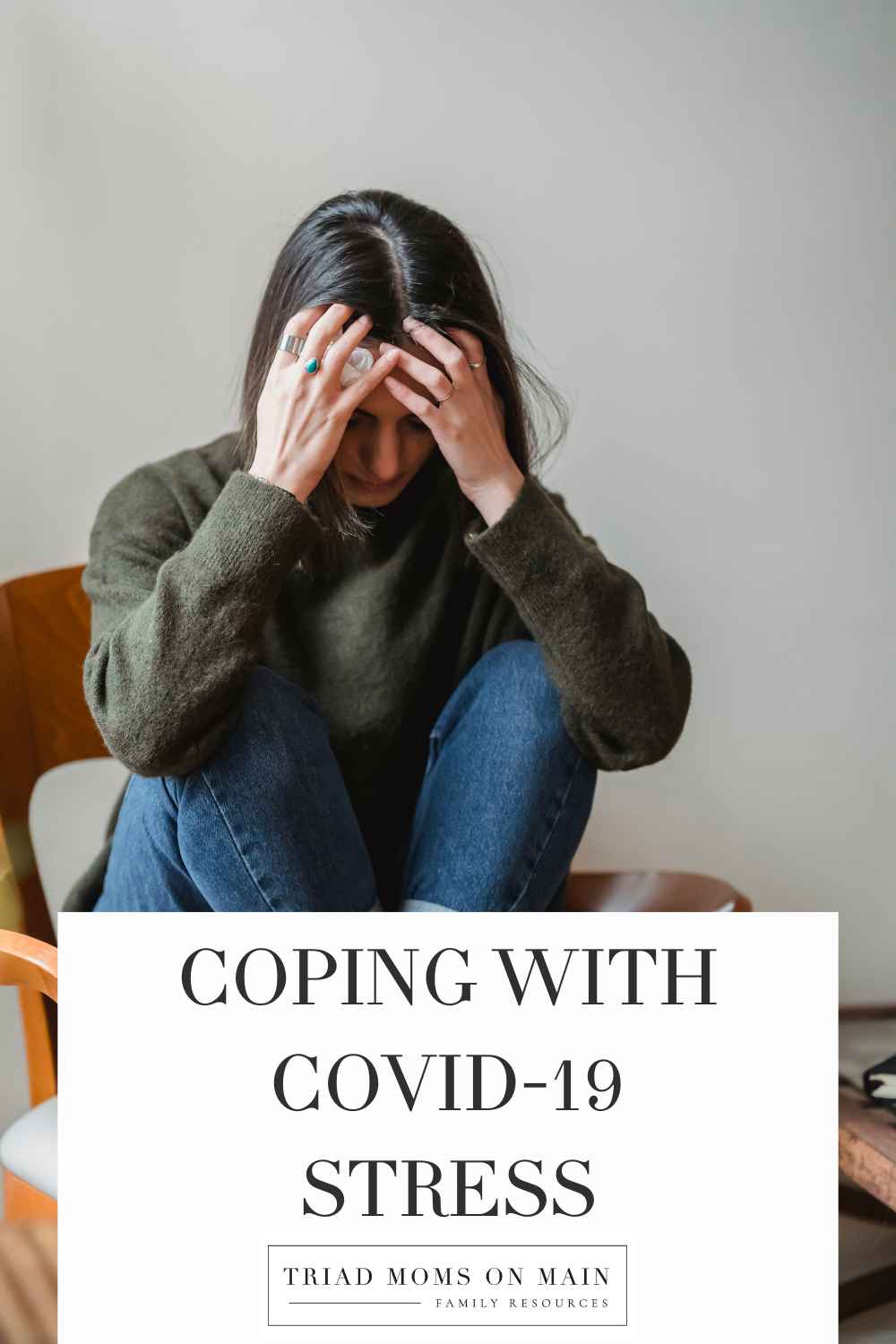
Coping With COVID-19 Stress: Practical Strategies for Emotional Wellness
When moms search for guidance on coping with COVID-19 stress, they’re often juggling more than just fear of the virus. They’re navigating working from home, managing disrupted routines, homeschooling kids, and supporting their families emotionally—all while trying to hold themselves together.
There’s the constant uncertainty of what tomorrow might bring. The frustration of trying to do it all. The loneliness that creeps in after days of isolation. For so many, the emotional weight of this pandemic is heavier than expected. Stress, anxiety, and exhaustion show up in real, physical ways that are hard to ignore.
But mental health professionals, educators, and even long-time parents agree—this is a season that demands grace, patience, and practical support. For moms and caregivers especially, emotional resilience isn’t a luxury; it’s a necessity.
And if you’re feeling scattered, overwhelmed, or just plain tired—you’re not alone. Let’s walk through it together.
Common Emotional Reactions During Uncertain Times
In this era of rapid change and high uncertainty, emotional responses can vary widely from person to person, and even hour to hour. It’s completely normal to feel any (or all) of the following:
- Anxiety, panic, or fear about the future
- Frustration from new work and parenting demands
- Loneliness from social distancing
- Mood swings or mental fatigue
- Trouble focusing or making decisions
Physically, stress might look like muscle tension, headaches, stomach issues, or disrupted sleep. Emotionally, it can range from irritability and sadness to numbness or depression. These reactions don’t make anyone weak or dramatic—they’re signs of how deeply this situation is impacting everyone.
Recognizing these symptoms is the first step in managing them. The next step is taking small, consistent actions to care for your mental and physical health.
Simple Strategies to Support Mental Wellness
Sometimes the best strategies are the simplest ones. And right now, building small, healthy routines into your day can offer the structure and relief many moms crave.
1. Give Yourself Permission to Slow Down
You do not have to run at full speed every day. Take mini-breaks, breathe deeply, and let yourself pause when needed. A 10-minute walk, stretching break, or music session can shift your mood quickly.
2. Practice Deep Breathing and Grounding Techniques
Belly breathing—focusing on filling your lungs slowly—can reset your nervous system. Try breathing in for four counts, holding for four, and exhaling for six. Repeat a few times to calm both body and mind.
3. Create Structure at Home
Routines offer predictability, which helps reduce anxiety for both adults and children. Set consistent wake-up times, build in meal breaks, and schedule quiet or creative time during the day.
4. Limit News and Social Media Consumption
Constant exposure to stressful updates can heighten fear and confusion. Try checking updates only twice per day and unfollow accounts that fuel anxiety.
Healthy Habits That Make a Difference
The foundation of emotional well-being often starts with physical wellness. During times of stress, these basic needs are usually the first to slip:
- Eat nourishing foods that give you energy and support your immune system
- Move your body, even if it’s just dancing in the living room or playing outside with your kids
- Get enough sleep—rest is one of the most powerful ways to recover from stress
- Drink plenty of water and avoid over-caffeinating or self-medicating with alcohol
When in doubt, return to the basics.
Stay Connected—Even From a Distance
Though we’re physically apart, maintaining emotional connection is more important than ever. Schedule regular calls with friends or family, join an online support group, or text someone just to check in. Connection helps regulate emotions and provides vital encouragement.
Consider shifting your mindset from “social distancing” to “physical distancing with social connection.” We may be in different houses, but we’re not alone.
Cultivating Resilience Through Gratitude and Presence
Amid the chaos, it helps to look for the good. A blooming flower, a child’s laughter, or a stranger’s kindness—these moments help ground us. Practicing gratitude—even briefly each day—can ease negative thinking and boost emotional strength.
Being present also means allowing yourself to feel whatever comes up—without judgment. Tune into your senses while doing everyday tasks like washing dishes or folding laundry. These small moments of mindfulness can have big emotional payoffs.
FAQs: Coping With COVID-19 Stress
Is it normal to feel this overwhelmed right now?
Yes. Uncertainty, isolation, and constant change are deeply stressful. Everyone is experiencing this differently, and feeling overwhelmed is completely valid.
How can I manage stress when I’m caring for everyone else?
Start small. One deep breath, one healthy meal, or one quiet moment to yourself can help. Taking care of your well-being allows you to better support others.
What are signs that stress is becoming too much?
Watch for chronic sleep issues, constant irritability, or feeling emotionally numb. If these persist, it may be time to seek professional support.
How can I help my kids manage their stress, too?
Model calm behavior, keep routines, encourage creative play, and validate their feelings. Kids are resilient, but they often take emotional cues from adults.
Are there any good online tools or apps for stress?
Yes! Headspace, Insight Timer, Calm, and Mindfulness Coach offer free guided exercises. The site VirusAnxiety.com also offers tools specifically for COVID-19-related stress.
By Guest Blogger Suzanne C. Danhauer, PhD*
~ Visit ncdhhs.gov/coronavirus for information from the NC Department of Health and Human Services. Text COVIDNC to 898-211 to get text updates.
~ Click HERE to visit TMoM’s list of counselors and therapists if you feel you need to talk to someone directly.
~ Want to see more blogs like this and also get notifications on local events and happenings? Subscribe to our free weekly newsletters
*Suzanne C. Danhauer, PhD is Associate Professor and Vice Chair of Social Sciences and Health Policy, and Director of Faculty Well-Being and Resilience, Office of Faculty Affairs at Wake Forest University’s School of Medicine