
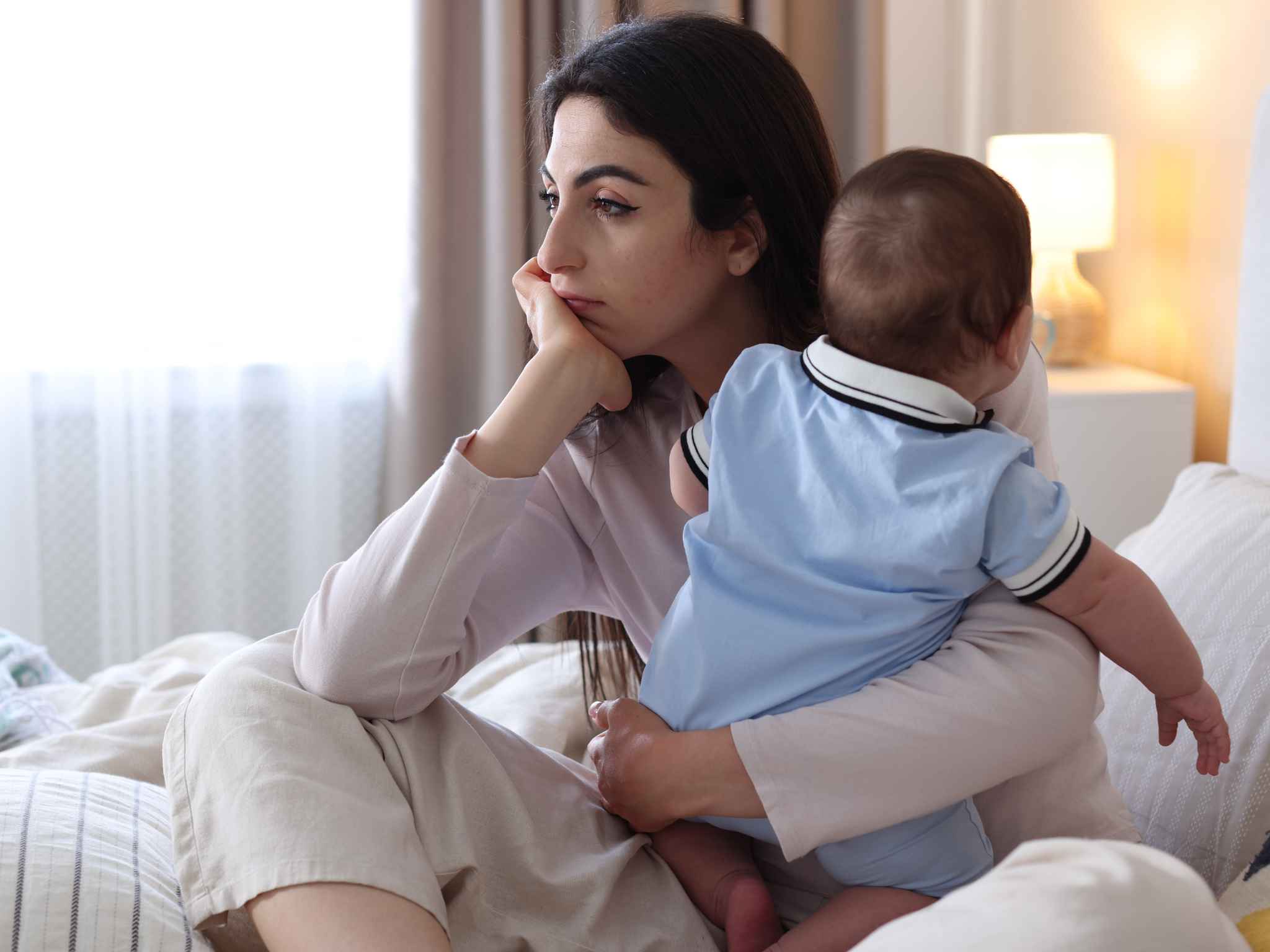
Ever Heard of the Fourth Trimester? Understanding Postpartum Recovery, Baby Blues, and Postpartum Depression
The fourth trimester is one of the most important stages of parenthood, yet it’s often the least talked about. Parents spend months preparing for pregnancy, labor, and delivery, but many are surprised by the physical recovery, emotional changes, and mental adjustments that begin after bringing a new baby home. The first 12 weeks after birth, commonly known as the fourth trimester, can be filled with incredible joy, overwhelming exhaustion, and a wide range of emotions that many families never expected. Understanding what’s normal, recognizing when extra support is needed, and knowing where to find help can make this transition much easier. Whether you’re expecting your first baby or welcoming another child into your family, knowing what to expect during the fourth trimester can help you feel more prepared and less alone.
What Is the Fourth Trimester?
The fourth trimester refers to the first three months after a baby’s birth. Although pregnancy has ended, both parent and baby continue adjusting to enormous physical and emotional changes. Babies are adapting to life outside the womb, while parents are recovering from childbirth, learning feeding routines, managing sleep deprivation, and settling into a completely new daily rhythm.
During this time, it’s common for parents to feel a mix of excitement, happiness, anxiety, and exhaustion. Some days may feel wonderful, while others may feel overwhelming. Recovery looks different for every family, whether your baby arrived vaginally or by cesarean birth, whether you’re breastfeeding, pumping, formula feeding, or using a combination of feeding methods. There is no perfect postpartum experience, and comparing yourself to others often creates unnecessary pressure.
Baby Blues vs. Postpartum Depression
Many new parents have heard the term “baby blues,” but they may not understand how it differs from postpartum depression.
Baby blues affect many new mothers during the first few days after delivery and typically improve within two weeks. Hormonal changes, lack of sleep, physical recovery, and adjusting to life with a newborn all contribute to temporary mood swings. Parents may find themselves crying unexpectedly, feeling emotional, or becoming overwhelmed more easily than usual.
Postpartum depression, or PPD, is different. It is a medical condition that lasts longer, affects daily functioning, and requires professional support. Unlike the baby blues, postpartum depression can begin anytime during the first year after childbirth and may continue without treatment. It affects millions of families each year and is far more common than many people realize.
Common Symptoms of Postpartum Depression
Recognizing the signs of postpartum depression is an important step toward getting help. Symptoms may include:
• Persistent sadness, irritability, or anger
• Frequent crying or mood swings
• Difficulty sleeping, even when the baby is sleeping
• Constant exhaustion or lack of energy
• Changes in appetite
• Feeling disconnected from your baby or family
• Loss of interest in activities you once enjoyed
• Difficulty concentrating or making decisions
• Excessive worry or anxiety
• Feelings of guilt, hopelessness, helplessness, or worthlessness
• Feeling like you’re a bad parent
• Decreased interest in intimacy after recovery from childbirth
These symptoms can vary from person to person. Some parents experience several of them, while others notice only a few. If symptoms last longer than two weeks or interfere with daily life, it’s important to speak with a healthcare provider.
Who Is at Risk?
Research shows that postpartum depression is more common among parents who experienced depression or anxiety during pregnancy, have a personal or family history of depression or other mental health conditions, experienced postpartum depression after a previous pregnancy, or have limited social support.
However, postpartum depression can affect anyone.
It can happen to first-time parents, experienced parents, those in happy marriages, those with strong support systems, or parents who have dreamed of having children for years. There is no “type” of person who develops postpartum depression, which is why recognizing the symptoms is so important.
Why Many Parents Don’t Ask for Help
Many parents feel pressure to appear as though everything is going perfectly. Social media, television, and even well-meaning friends can create unrealistic expectations of what life with a newborn should look like. As a result, some parents dismiss their own struggles or feel ashamed to admit they need help.
Healthcare providers understand that this transition can be difficult. Many obstetricians screen for postpartum depression during postpartum appointments, and pediatricians often ask parents about their emotional well-being during newborn visits because they recognize how common postpartum mood disorders are.
Asking for help is not a sign of weakness. It’s part of taking care of yourself and your baby.
Treatment and Support for Postpartum Depression
The good news is that postpartum depression is highly treatable.
Professional counseling can help parents recognize negative thought patterns, develop healthy coping strategies, and build confidence during this season of life. Some parents also benefit from medication prescribed by their healthcare provider. If you’re breastfeeding, your provider can discuss medications that are considered compatible with nursing.
Support groups can also be incredibly valuable. Connecting with other new parents who understand the challenges of the fourth trimester often provides reassurance that you’re not alone. Many hospitals, birth centers, and community organizations offer postpartum support groups led by counselors, nurses, or lactation consultants.
Family and friends also play an important role. Offering meals, helping with household chores, watching the baby so parents can rest, or simply listening without judgment can make a tremendous difference.
Caring for Yourself During the Fourth Trimester
While much of the attention naturally focuses on the baby, parents need care too. Recovery takes time, and giving yourself permission to rest is essential. Stay hydrated, eat nourishing meals, accept help when it’s offered, and remember that healing isn’t just physical. Emotional recovery deserves attention as well.
The newborn stage can feel incredibly long while you’re living it, but it doesn’t last forever. Some days will be difficult. Others will be filled with moments you’ll treasure forever. Both experiences can exist at the same time.
Frequently Asked Questions About the Fourth Trimester
How long is the fourth trimester?
The fourth trimester refers to the first 12 weeks after your baby’s birth, although emotional and physical recovery may continue beyond that.
What is the difference between the baby blues and postpartum depression?
Baby blues usually begin shortly after delivery and improve within two weeks. Postpartum depression lasts longer, is more severe, and often requires professional treatment.
Can postpartum depression happen months after giving birth?
Yes. Symptoms of postpartum depression can begin anytime during the first year after childbirth.
Is postpartum depression common?
Yes. Postpartum depression affects approximately one in seven mothers, making it one of the most common complications following childbirth.
When should I seek professional help?
If feelings of sadness, anxiety, hopelessness, or difficulty functioning last more than two weeks, become severe, or include thoughts of harming yourself or your baby, contact your healthcare provider immediately.
The fourth trimester is a season of tremendous change for every family. While many parents experience moments of uncertainty, persistent sadness or overwhelming emotions should never be ignored. There is help, there is hope, and there are people ready to support you. Caring for yourself is one of the most important ways to care for your baby, and reaching out for support is a sign of strength, not failure.
By Allison Chapple, MS/EdS, LPC, NCC