
Experiential Learning: Where Curiosity Becomes Learning at TESG
This blog is sponsored by the Experiential School of Greensboro and written by Dr. Beth Meyer
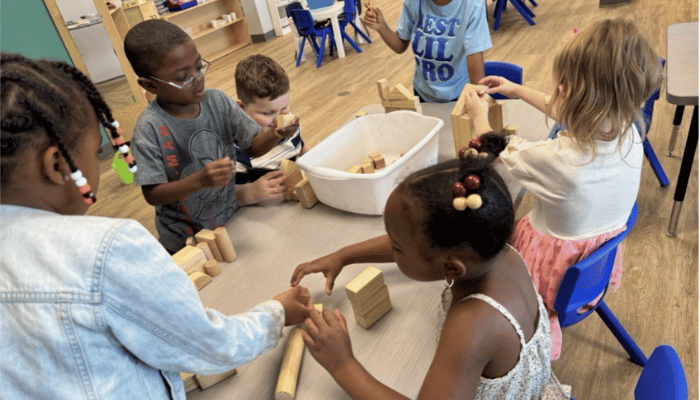
At The Experiential School of Greensboro (TESG), experiential learning guides how we believe children learn best. Students explore, question, create, collaborate, and connect lessons to the world around them. As a result, school becomes something they experience, not simply something they attend.
Learning Begins with Curiosity
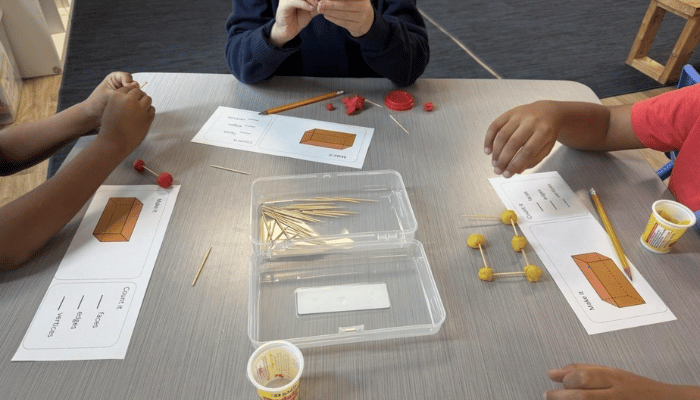
First, children are naturally curious. Our job as educators is to protect that curiosity. We create meaningful opportunities for students to follow it.
At TESG, students regularly learn through projects, investigations, field experiences, and hands-on activities. A science lesson might begin with a question about the environment around them. A social studies unit might lead students into the Greensboro community. Students might also use math to solve a real-world problem.
Experiential Learning Connects Learning to Life
For example, students may study plants and soil while exploring questions about access to healthy food. They move beyond memorizing vocabulary or completing worksheets. Instead, they connect science, social studies, mathematics, and their own communities.
This approach helps students see how academic subjects connect to daily life. Experiential learning makes those connections meaningful and memorable.
Learning Connects Across Subject Areas
Learning at TESG does not always fit neatly into separate boxes. Our integrated studies approach helps students make connections across disciplines. Reading, writing, science, social studies, mathematics, and art can support the same investigation. These connections show students that real problems require many skills and perspectives.
Similarly, this approach gives students more opportunities to discover their strengths. One student may shine as a researcher. Another may become the group’s problem-solver. Someone else may find their voice through writing, design, art, or public speaking.
Students also learn from one another as they exchange ideas, test solutions, and reflect on their work. Collaboration helps them build confidence while practicing the communication skills they will use throughout life.
Learning Extends Beyond the Classroom
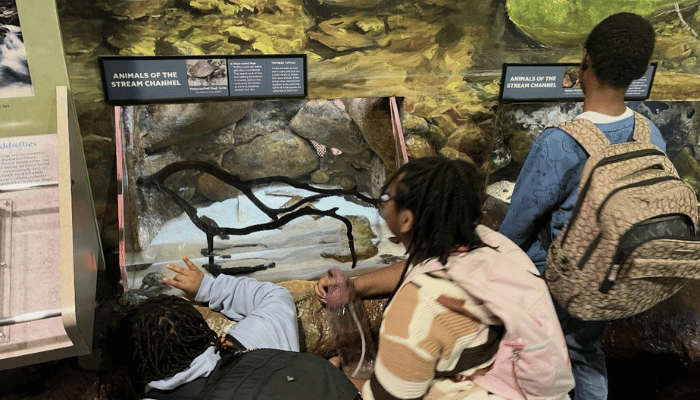
Finally, experiential learning extends beyond the classroom walls. From its downtown Greensboro location, TESG connects students with the surrounding community. Local organizations, artists, businesses, public spaces, and community members can support the learning experience.
These experiences show students that they are not simply preparing for the future. They are already community members with ideas, perspectives, responsibilities, and contributions to offer.
A Different Way to Experience School
At TESG, we want students to leave school with more than a collection of facts. They learn to ask meaningful questions, work with others, think critically, and solve problems.
Students also learn to understand different perspectives and use what they know to make a difference. That is the power of experiential learning.
When children can wonder, investigate, create, and connect, learning becomes personal. It becomes memorable. Most importantly, it becomes meaningful.
That is what we mean when we say: “At TESG, learning isn’t just something you do. It’s something you experience.”
Website: tesgk8.org | Facebook: TESG2018 | Instagram: @tesofgso