
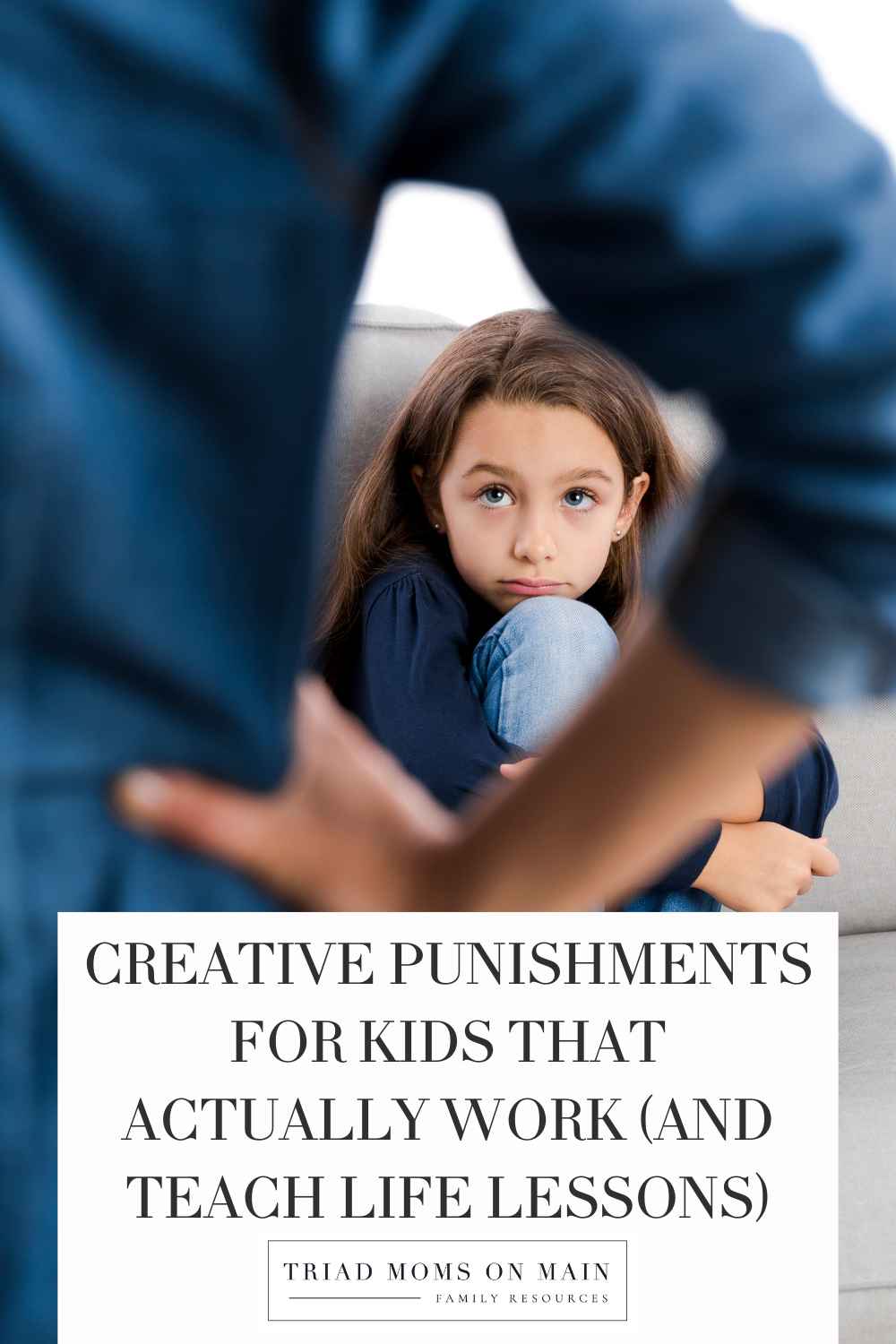
Creative Punishments for Kids That Actually Work (And Teach Life Lessons)
Parents searching for creative punishments for kids are usually looking for discipline methods that do more than just stop bad behavior—they want solutions that teach values, build character, and maintain family harmony. The struggle is real. Time-outs, taking away screens, and repeating the same lecture over and over? They often don’t cut it. Discipline becomes a daily battle, and it’s exhausting. Especially for parents juggling work, relationships, and everything in between. Many families are searching for smarter, more effective ways to handle everyday misbehavior.
There are practical, positive, and imaginative discipline strategies that go beyond yelling or grounding. These approaches work for today’s busy parents raising thoughtful, respectful kids in a very modern world. You’re not alone in wanting to raise great humans without losing your cool along the way.
Why Creative Punishments Are Better Than Traditional Ones
Traditional punishments tend to focus on control or obedience rather than teaching. Creative consequences, on the other hand, help kids learn responsibility, empathy, and self-regulation. They shift the focus from “you’re in trouble” to “you have a chance to make this right.” The goal isn’t shame or fear—it’s growth.
Kids thrive when they understand the why behind their behavior, and creative discipline opens the door to those conversations. When consequences are thoughtful and related to the misbehavior, kids feel more connected and less resentful. And let’s be honest—it reduces parental stress too. Yelling and constant grounding don’t lead to better behavior. They lead to power struggles.
Creative punishments feel more like parenting and less like policing. They help reinforce structure without damaging your relationship with your child.
Creative Punishments That Teach, Not Tear Down
Discipline doesn’t have to be dramatic. It just needs to be effective. Here are some tried-and-true ideas for creative punishments that promote responsibility, empathy, and cooperation:
1. The “Fix It” Consequence
When your child breaks a rule, make the consequence a way to repair the damage. If they were mean to a sibling, they write a note of apology or do that sibling’s chore. If they made a mess, they clean it—and one other area. It’s not about punishment; it’s about restoration.
2. Earn It Back
Instead of just taking away a privilege, give them a clear way to earn it back. Lost tablet time? Offer tasks or positive behaviors they can do to earn a few minutes back each day. It teaches them that actions have consequences, but effort and accountability matter too.
3. Write It Out
If your child is old enough, have them write a reflection letter about what happened, why it was wrong, and what they’ll do differently next time. It promotes emotional intelligence and accountability. Plus, it helps kids process their feelings.
4. Reverse Roles
Let your child experience the responsibility of your role. If they talk back or ignore instructions, assign them to help manage part of the household—like setting schedules or making a family checklist for the day. It builds empathy quickly.
5. Boredom Chores
“I’m bored!” or “I don’t want to…” can easily be met with a list of productive, simple chores. Not only does this redirect their energy, but it also teaches that complaining leads to more responsibility, not less. Just keep the tasks age-appropriate and brief.
6. The Behavior Jar
Create a jar filled with slips of paper, each listing a consequence or responsibility. When misbehavior occurs, they pull a slip. It could be a chore, a kindness challenge, or a moment of reflection. The element of surprise keeps it fresh (and less combative).
Age-Appropriate Approaches for Different Stages
Not every creative punishment works for every age. Tailoring your discipline to your child’s developmental stage matters.
- Toddlers (2–4 years): Use short-term consequences. Redirect behavior quickly and offer immediate, simple tasks like cleaning up toys or taking a short “reset” break.
- Early Elementary (5–8 years): Kids can handle more responsibility. Incorporate natural consequences and give them the chance to make amends.
- Tweens (9–12 years): Reflection, journaling, and earning privileges work well. Give them space to think but hold clear boundaries.
- Teens: Consequences should be heavily tied to trust, independence, and respect. Use real-life consequences like altered curfews, more family time, or extra responsibilities when rules are broken.
The Long-Term Payoff of Thoughtful Discipline
It’s tempting to use harsh punishments when your child is pushing buttons, but discipline that focuses on learning will always win in the long run. Creative punishments build stronger relationships, not resentment. They encourage critical thinking and self-control—skills your child will carry into adulthood.
When kids understand the “why” behind the consequences, they’re more likely to internalize the lesson. This builds trust between you and your child, and that trust becomes the foundation for open communication as they grow.
Plus, when discipline isn’t a screaming match, your home feels calmer. And that’s something every family can appreciate.
Frequently Asked Questions About Creative Punishments for Kids
1. What is the most effective creative punishment?
The most effective creative punishment is one that fits the behavior and encourages learning. A “fix-it” consequence, where your child makes amends for their actions, is usually very effective and meaningful.
2. Should I use chores as a punishment?
Chores can be used as a consequence, but not as a punishment in the traditional sense. Instead of calling it a punishment, frame it as an opportunity to be responsible or helpful. This keeps the tone positive and avoids power struggles.
3. How do I know if the consequence is too harsh?
If your child is overwhelmed, confused, or becomes more withdrawn, it may be too harsh. A good consequence teaches, not tears down. Aim for a response that matches the behavior, provides a learning opportunity, and maintains your connection.
4. What do I do if creative punishments don’t work?
If a consequence doesn’t work, it may need to be more consistent or directly tied to the behavior. Check whether your expectations are clear and age-appropriate. You can also involve your child in choosing consequences—they’re often harder on themselves than you’d expect.
5. Can creative punishments work with strong-willed kids?
Yes, in fact, they often work better. Strong-willed kids resist power struggles but respond well to respectful, logical consequences. Give them choices, clear boundaries, and follow through consistently.
Discipline doesn’t have to be draining. With a little creativity, consistency, and connection, parents can guide kids toward better choices while strengthening family bonds. Creative punishments aren’t just about correcting behavior—they’re about raising thoughtful, capable humans.
Want to see more blogs like this and also get notifications on local events and happenings? Subscribe to our free weekly newsletters