

Insights Pediatricians Wish New Moms Knew About the First Three Months
Many friends often share how challenging the initial months can be, but where should one start preparing?
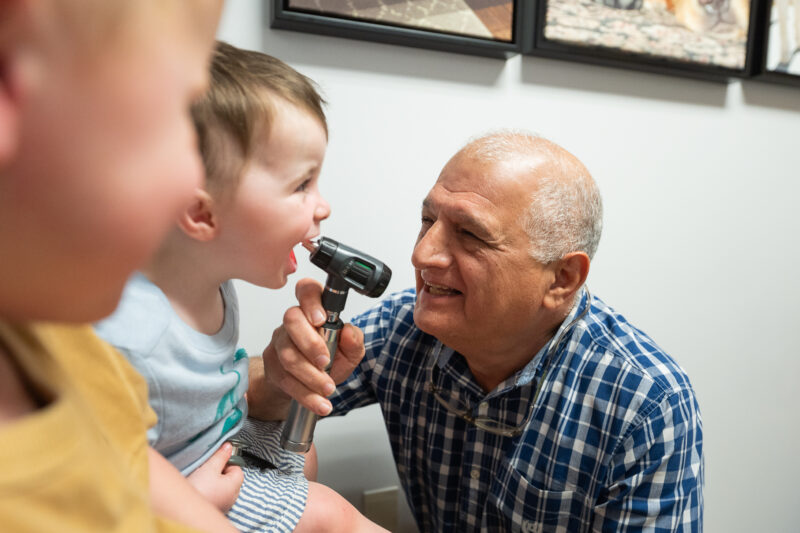
Choosing a Pediatrician

From a medical standpoint, one of the first crucial steps is selecting a pediatrician—essentially your baby’s medical home. How do you begin this process? Word of mouth is a fantastic starting point. Many friends likely have experience with various pediatricians from different practices. Gather insights about the positives and any concerns regarding these options. Regardless of your choice, there are key factors to consider:
- Availability: Are they open on weekends for sick visits?
- After-hours support: Is there access to nursing calls when assistance is needed?
- Provider range: A mix of younger providers, who often possess the latest knowledge, and seasoned providers with years of clinical experience can be beneficial.
Navigating the First Few Months

The first few months can be overwhelming for new parents. While returning home from the hospital is filled with excitement, what can families expect once they settle in? For many, the first night in the hospital (often the only night) is relatively smooth, with the baby sleeping most of the time and staff assisting with feedings. However, once home, parents may face challenges like a crying baby and difficulties with latching. At the first weight check, typically one to two days later, many babies may show weight loss. It’s important to understand that this is normal; most babies lose weight after birth, with some losing close to ten percent of their body weight. Pediatricians anticipate this weight loss and recognize that feeding issues are common.
Many new moms hear about the joys of breastfeeding but not the challenges, especially during the first week. Babies must learn to eat to satisfy their hunger, mastering the skills of sucking, swallowing, and breathing simultaneously. Proper latching is essential for effective feeding, and moms may need to experiment with various holds. Don’t hesitate to seek help from a lactation consultant, and be open to your pediatrician’s recommendations for support. Establishing breastfeeding may require effort initially, but once it is successful, it provides excellent nutrition for your baby.
Monitoring Jaundice
During that first weight check, in addition to assessing weight and feeding, other health aspects must be reviewed, such as jaundice. Jaundice is common, with many babies displaying yellowing of the eyes or skin. Mild jaundice is harmless and typically resolves on its own. As feeding improves, the body’s natural processes begin to manage bilirubin levels effectively. A bit of indirect sunlight can also aid in this process. However, it’s crucial to avoid sunburn or tanning. Pediatricians monitor jaundice closely as high bilirubin levels can potentially lead to serious neurological issues. Although lab tests can be upsetting for new parents, they are vital for ensuring the baby’s health.
Sleep Deprivation
Expect to experience sleep deprivation during the first few months. Babies need frequent feedings and often confuse night and day. Many new babies may feed at night and stay awake while sleeping most of the day. To manage this, when a baby wakes at night, feed them, change their diaper, and return them to bed while keeping the lights dim and the TV off. As babies approach one month old, many parents notice that their little one falls asleep more quickly after nighttime feedings, with intervals between feeds gradually increasing from every 2-3 hours to 4-5 hours. Remember, when your baby sleeps at night, it’s essential for you to rest as well. It’s not the time for late dinners or movies when your baby is quietly sleeping.
Final Thoughts for New Moms

The first three months of a newborn’s life are filled with a mix of emotions, challenges, and valuable learning experiences. It’s essential to recognize that every baby and family journey is unique. While the transition to parenthood can feel daunting, understanding what to anticipate can help ease the journey. Embrace every moment, including the sleepless nights and feeding challenges, as they are integral to the incredible adventure of raising a child. Trust your instincts, and don’t hesitate to seek guidance from your pediatrician or support network when needed. Remember, you are doing an exceptional job, and your love and care are what your baby needs most. With patience, support, and a little self-care, you’ll navigate this new chapter with grace and resilience.
Website: https://www.cptriad.com/
Facebook: https://www.facebook.com/CarolinaPediatricsOfTheTriad
Instagram: https://www.instagram.com/carolinapediatrics/
This blog is written by Dr. Brian Sumner and sponsored by Carolina Pediatrics.
Want to see more blogs like this and also get notifications on local events and happenings? Subscribe to our free weekly newsletter.
- Counselors, Psychologists & Therapists
- Doulas
- Newborn Resources
- Occupational, Physical & Speech Therapists
- Pediatric Dentists & Orthodontists
- Pediatricians
- Postpartum Resources
- Pregnancy Resources
- Support Groups
- Women’s Wellness
- From One Mom to Another: Tips on Feeding Your Newborn
- First-Time Moms: What to Expect After the Baby Arrives
- Baby’s Sleep: The First Six Months
- A Lactation Consultant’s Guide to Breastfeeding: Common Questions, Tips, and When to Ask for Help
What should I expect during the first three months with a newborn?
The first three months often involve frequent feedings, sleep adjustments, developmental milestones, and recovery for new moms.
When do newborns start sleeping longer stretches?
Many babies begin sleeping for longer periods between two and four months, though every child develops differently.
How often should a newborn see a pediatrician?
Most newborns have several well-child visits during the first few months to monitor growth and development.
What is the hardest part of the newborn stage?
Many parents report sleep deprivation, feeding challenges, and adjusting to new routines as some of the biggest challenges.
When should I call my pediatrician?
Contact your pediatrician anytime you have concerns about feeding, breathing, fever, weight gain, or your baby’s overall health.