Learning Disabilities Awareness Month: Flipping The Script to Learning Differences
What Is Learning Disabilities Awareness Month?
The Learning Disability Association of America and President Ronald Reagan deemed October LD Awareness Month in 1985 and ever since this month has been dedicated to sharing information with the public about learning disabilities such as ADHD, dyslexia, dysgraphia, dyscalculia, and executive functioning disorders.
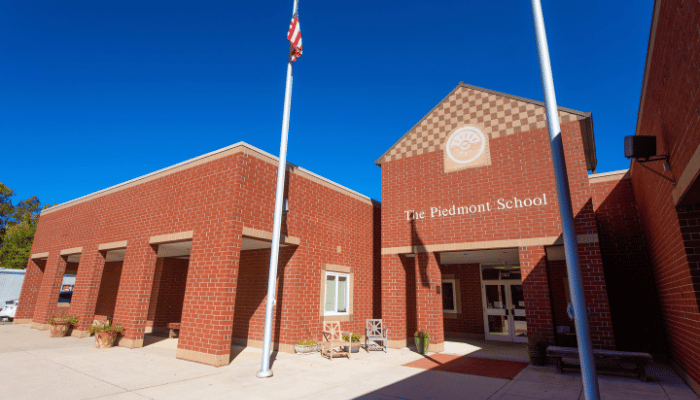
Every October, The Piedmont School & John Yowell Academy celebrate Learning Disabilities Awareness Month—a crucial opportunity to recognize the challenges faced by those with learning disabilities, to increase public awareness, and to foster a more inclusive society. Learning disabilities are neurological differences that affect how people acquire, process, and express information. They are invisible, often misunderstood, and can impact reading, writing, math, organization, and social skills. Here at The Piedmont School & John Yowell Academy, we like to “flip the script” from “disability” to “difference” because we know first-hand that our students’ unique brains require reimagined ways to learning. This verbiage flip is not intended to dismiss the extremely important legal protections and advocacy work the term disability provides, but instead to draw awareness to the differences and out-of-the-box learning styles those with diagnoses like those mentioned above need to reach their full potential and succeed.
These differences are an important part of the amazing/unique/brilliant/fun/talented/gifted/athletic/artistic/musical/problem solving/insert-your-own-favorite-descriptor individual humans they are and the great gifts they can offer this world.
Why Awareness Matters
For millions of Americans, learning differences such as dyslexia, dyscalculia, and ADHD present daily hurdles in reading, writing, math, and executive functioning skills such as organization and emotional regulation. Yet, with proper support and understanding,
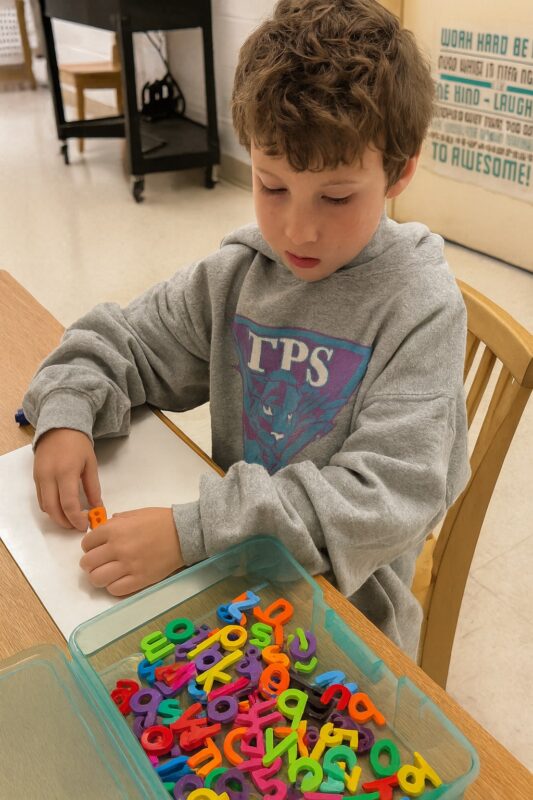
individuals with learning differences can thrive in school, work, and life. Awareness is the first step toward acceptance and accommodation. By shining a light on these conditions, we break down barriers, challenge stereotypes, and encourage empathy. Support for students with learning differences can include special programming such as reading instruction rich in phonics and language structure, multisensory approaches to instruction, visual processing therapies, occupational therapies, tactile and kinesthetic
methods (building, manipulating materials, blocks/models, etc), and structured support with executive functioning skills such as organization, time-management, and emotional regulation. These strategies can be incorporated in any classroom but may also require specialized tutoring or intensive intervention through specialized schools and programs.
Common Misconceptions
- “Students with learning differences are not smart.”: Learning differences are not related to intelligence; many individuals with learning differences are highly intelligent and creative.
- “They’ll outgrow it.”: Learning differences are lifelong—not something that can simply be outgrown. However, with support, proper interventions, and creating lifelong strategies significant academic and personal success can be achieved!
- “It’s too late to get help now.”: While early intervention is key, accessing support and intervention at any time can make a significant difference in academic and personal success.
Ways to Observe Learning Differences Awareness Month
- Educate Yourself and Others: Read articles, attend webinars, or listen to podcasts about learning differences. Share what you learn with your community. LDAAmerica.org or ADDitutdemag.com are great places to start!
- Advocate for Inclusive Education: Support schools and educators in providing accommodations, such as extended time on tests or alternative teaching methods.
- Celebrate Success Stories: Highlight achievements of individuals with learning differences—students, professionals, artists—who are making a difference.
- Participate in Events: Join local or virtual events, workshops, and campaigns focused on awareness and empowerment.
How You Can Make a Difference
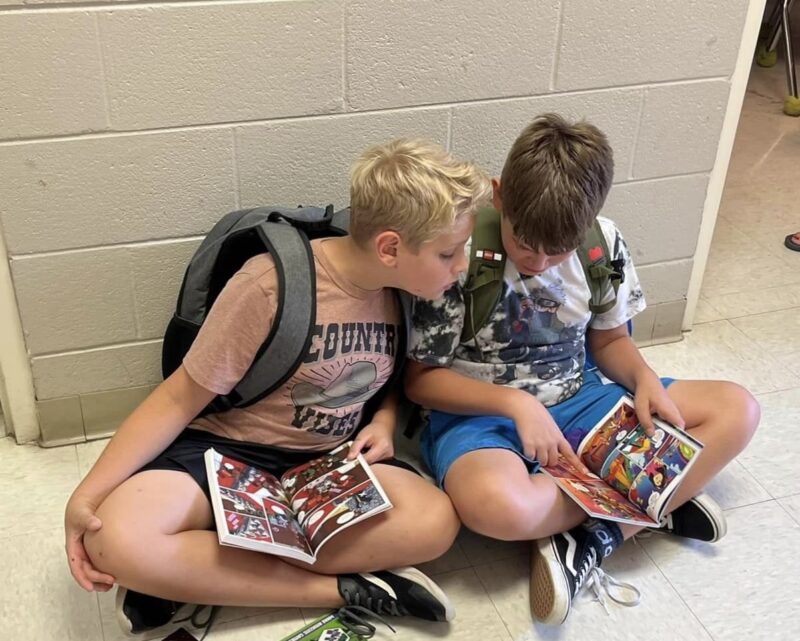
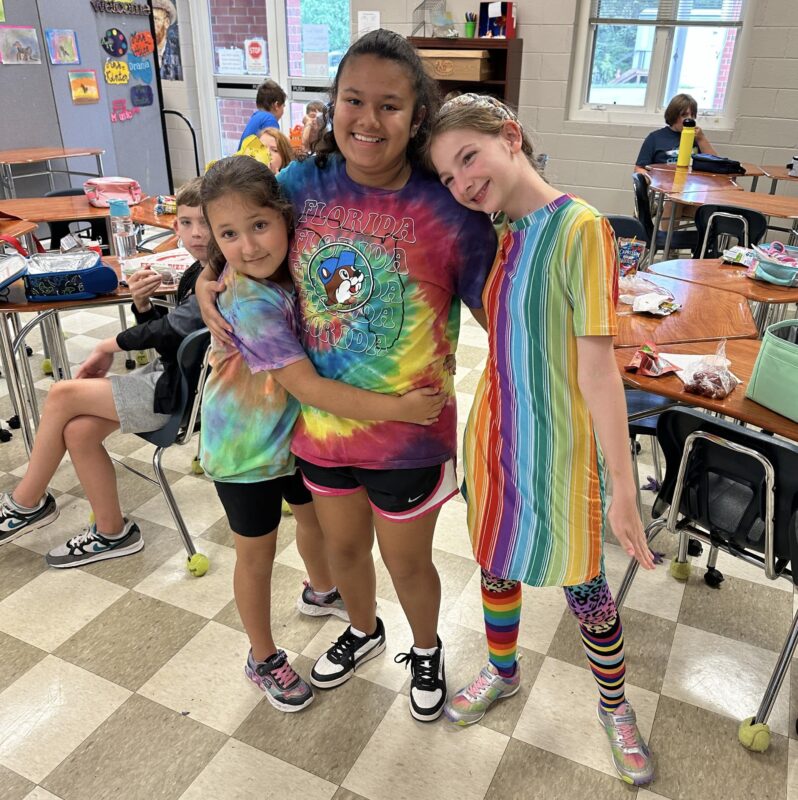
Empathy and action go hand in hand. If you know someone with a learning disability, offer encouragement and patience. If you’re an educator, look for innovative ways to reach every learner. Parents can advocate for their children’s needs, and employers can foster supportive workplaces. By learning, sharing, and advocating, we can help create a world where everyone’s strengths are recognized and celebrated. Let’s work together to build a more inclusive future, this October and every month that follows.
We hope you will all join us in “flipping the script” and celebrate LD Awareness Month with
us this October. Be sure to follow The Piedmont School on Facebook and Instagram for
more information about learning differences and supports available!
Kori Mackall, M.Ed, Head of School at The Piedmont School & John Yowell Academy in High Point, NC
*This blog is sponsored by The Piedmont School & John Yowell Academy in High Point, NC
Want to see more blogs like this and also get notifications on local events and happenings? Subscribe to our free weekly newsletter
Other blogs you may enjoy:
The Piedmont School Reading Buddies