
Lennox the Lionheart: A Tiny Warrior’s Fight for Life
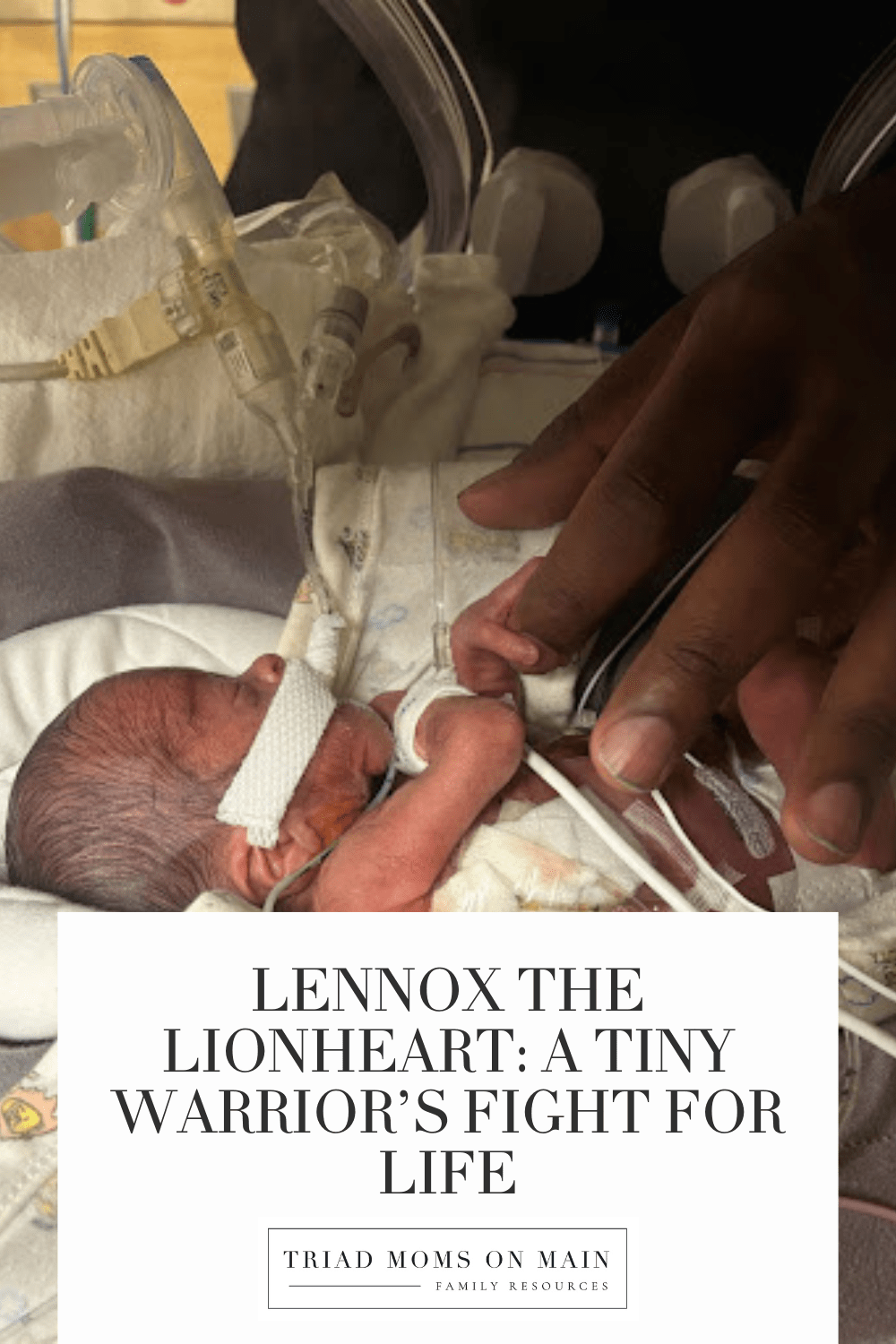
Hey Triad moms, dads, and caregivers, coming at you with a serious one today: I’d like to share the story of my little nephew, Baby Lennox. His mother, Bri, is Pennsylvanian by birth, but as an alumna of Appalachian State University, she gave birth to a fiery little soul who is a Mountaineer at heart! Lennox was born on December 30, 2023 at 24 weeks, 4 days gestation. At that time, he weighed a mere 1 pound, 7 ounces (652 grams) and measured just 12 inches long. He was breath-takingly tiny, and yet, he was already showing the heart of a lion. His battle began immediately in the NICU, where he fought for 217 days before he was finally able to come home. He’s already endured three major surgeries, spent significant time on a ventilator while his lungs healed and grew, and relied on a G-tube for all his nutrition. And now, this little warrior, who has already overcome so much, is facing yet another monumental battle: Childhood cancer. His strength and spirit through all the challenges he’s faced are an absolute inspiration to his entire family, and I know his story will resonate deeply with so many of you here in our community.
From Micropreemie NICU to Pediatric Cancer Diagnosis

The news that your child, who has already fought so hard to survive the first months of life, is now facing childhood cancer is absolutely devastating. This pivot in Lennox’s story from celebrating his homecoming from the NICU to dealing with a cancer diagnosis is a profound shock. For Lennox, the initial, prolonged fight was focused on things like developing his lungs, ensuring his brain was protected, and simply helping him gain weight and grow stronger. The transition from managing micropreemie development to navigating the world of pediatric oncology involves an entirely new set of doctors, treatments, and so many unknowns.
The Specific Battle: Hepatoblastoma in a Former Micropreemie
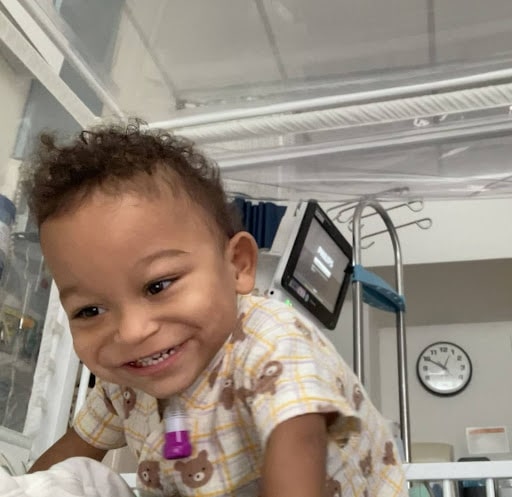
Lennox’s specific diagnosis is hepatoblastoma. This is a rare, malignant tumor that is a form of liver cancer. Finding out a baby has hepatoblastoma is a huge shock for any family, but for those who’ve already lived the trauma of the NICU, it can feel profoundly unfair. His treatment plan will include several rounds of chemotherapy, followed by surgery to remove the tumor, followed by more chemotherapy. This new medical path is complex and emotionally draining, requiring unparalleled strength from both Lennox and his family. We are here to support them, offering resources and showing the kind of rapport that defines our community.
How to Help
The emotional toll on parents is immense, and includes financial stress in addition to medical worries. Lennox’s care to this point has been astronomically expensive and there is still a long road stretching ahead of him. Every contribution, no matter the size, is a profound act of kindness that directly helps the family. If you want to help Baby Lennox specifically, click here. For further options to help other NICU parents in your life, please see our blog.
Micropreemie FAQs
What is a Micropreemie?
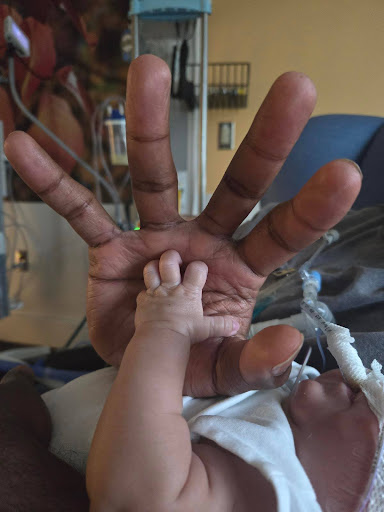
A micropreemie is an infant born before 26 weeks gestation or weighing less than 800 grams (about 1 pound, 12 ounces) at birth. They require intensive, specialized care in the NICU due to their extreme prematurity and underdeveloped organs.
How long do Micropreemies typically stay in the NICU?
The length of a NICU stay for a micropreemie is highly variable, but it often extends close to their original full-term due date. This means they may spend several months in the hospital.
Are all Micropreemies at risk for Pediatric Cancer?
No, the risk of a micropreemie developing pediatric cancer like hepatoblastoma is still very low. While medical research indicates a slight association between extremely low birth weight and certain childhood cancers, it is a rare complication, not a common one.