
Baby Rashes 101: A Parent’s Guide to Common Infant Rashes
Infant rashes are one of the most common reasons parents call their pediatrician. A baby can go from clear skin to covered in red spots almost overnight, leaving caregivers anxious and unsure what to do next.
Many skin rashes are harmless and resolve on their own. Others require medical evaluation. Understanding the difference between common infant skin conditions and more serious viral infections can help parents respond confidently and appropriately.
This guide explains the most common baby rashes, what they look like, how they are treated, and when to call a pediatrician.
Common Baby Rashes That Are Usually Harmless
Most newborn and infant rashes are benign. These skin conditions are frequently seen in pediatric offices and are often easy to treat at home with ointments.
What Is Diaper Rash?
Diaper rash is a form of skin irritation that develops in the diaper area. It appears as redness, inflammation, or raw skin on the baby’s bottom, thighs, or genital area.
Common Causes of Diaper Rash
• Prolonged moisture exposure
• Infrequent diaper changes
• Diarrhea
• Teething
• Sensitive skin
• Yeast overgrowth
How to Treat Diaper Rash
Most cases improve with:
• Frequent diaper changes
• Air drying the skin
• Thick barrier creams containing zinc oxide
• Avoiding fragranced wipes
If the rash becomes bright red with defined borders, spreads into skin folds, or does not improve within several days, it may be caused by a yeast infection and require antifungal medication prescribed by a pediatrician.
Eczema in Babies (Atopic Dermatitis)
What Is Baby Eczema?
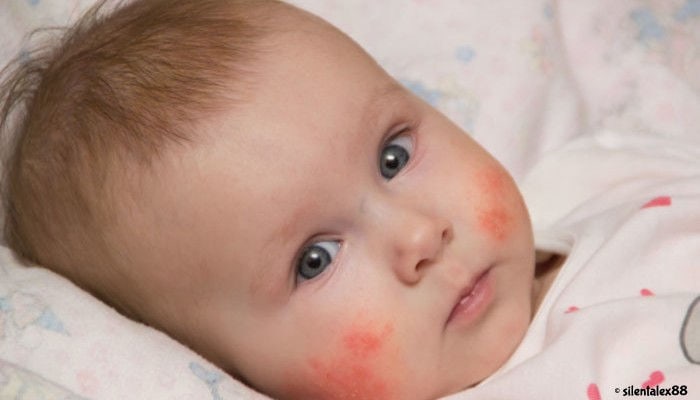
Atopic dermatitis, commonly referred to as eczema, is a chronic inflammatory skin condition that causes dry, itchy, red patches. It often appears on the cheeks, arms, legs, or behind the knees.
Symptoms of Infant Eczema
• Dry, rough skin
• Persistent itching
• Red or inflamed patches
• Thickened skin in chronic cases
Many children outgrow eczema by early childhood, though some continue to experience flare-ups.
Treatment for Baby Eczema
Management typically includes:
• Daily use of thick moisturizers
• Reduced use of mild soap
• Lukewarm baths instead of hot baths
• Oatmeal-based cleansers
• Topical hydrocortisone creams
• Prescription steroid creams for severe flares
While eczema is not usually dangerous, broken skin can increase susceptibility to bacterial and viral infections.
Allergic Rashes in Babies
What Do Baby Hives Look Like?
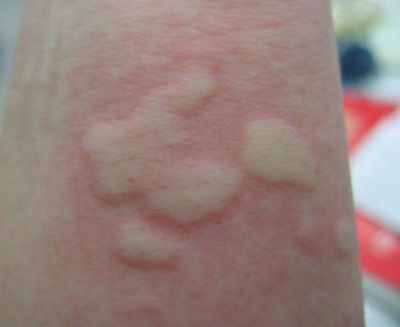
Allergic rashes often appear as raised welts or flat-topped bumps that develop suddenly. This condition is known medically as Urticaria.
Common Triggers for Infant Allergic Reactions
• New foods
• Laundry detergents
• Medications
• Soaps or lotions
• Environmental allergens
Some allergic reactions can also worsen eczema symptoms.
If hives occur without other symptoms, a pediatrician may recommend an age-appropriate antihistamine. However, caregivers should never administer medication without medical guidance.
Emergency care is necessary if the baby experiences swelling of the lips, face, or tongue, difficulty breathing, or vomiting.
Viral Rashes in Babies
Infants frequently develop viral rashes as their immune systems encounter new infections. Some viral rashes are mild and self-limiting, while others require prompt evaluation.
Coxsackievirus (HFMD)
Symptoms of Hand, Foot, and Mouth Disease
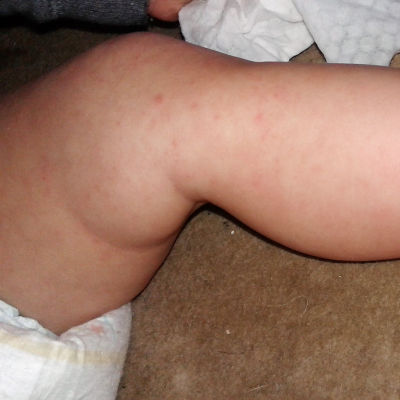
• Small blisters on palms and soles
• Mouth sores
• Rash on buttocks
• Fever in some cases
• Painful lesions
This illness spreads easily in daycare and school settings. Most cases resolve within 7 to 10 days without complications.
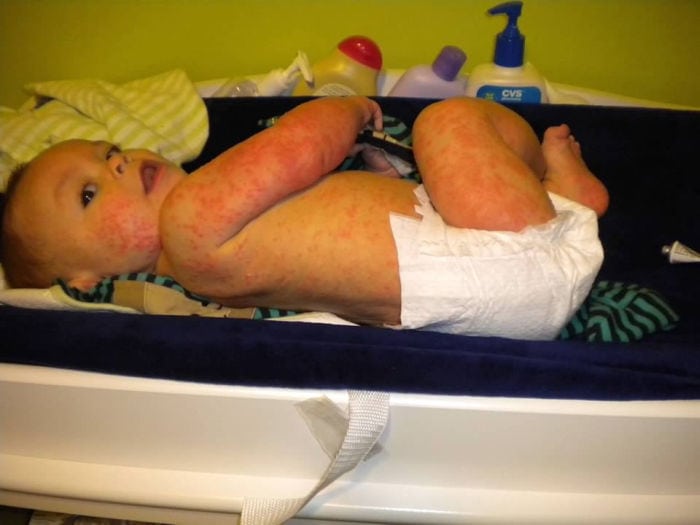
However, infants with eczema may experience more widespread outbreaks due to a compromised skin barrier.

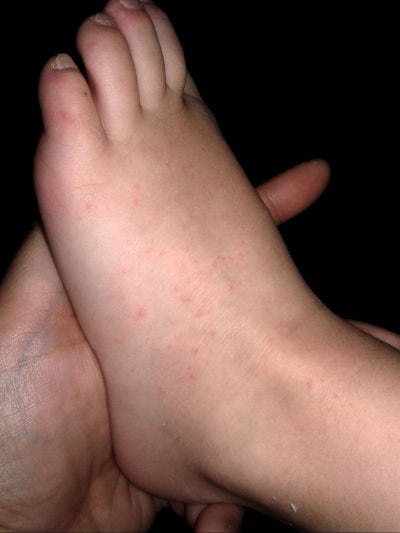
Incidentally, this is the rash that my firstborn had at four months old, shown in the picture at the top of this post. Because he also had eczema, the virus was allowed a clear path to blanket his delicate skin in bumps.
Varicella (Chickenpox)
Although vaccination has significantly reduced cases, chickenpox can still occur.
Signs of Chickenpox in Babies
• Itchy red bumps that progress to blisters
• Rash in multiple stages at once
• Fever
• Fatigue
• Cold-like symptoms
Medical evaluation is recommended if a baby is exposed or develops symptoms.
herpes simplex virus
Why Herpes Is Serious in Babies
Infant herpes infections can:
• Spread quickly through the bloodstream
• Affect the brain
• Cause meningitis
• Become life-threatening
Symptoms of Infant Herpes
• Clusters of fluid-filled blisters
• Fever
• Lethargy
• Poor feeding
• Irritability
Immediate medical evaluation is critical if herpes is suspected. Newborns are especially vulnerable during the first months of life.
When to Call a Pediatrician for a Baby Rash
Caregivers should seek medical attention if:
• The baby has a fever
• The rash spreads rapidly
• Blisters or open sores appear
• The baby seems unusually sleepy or floppy
• The baby is under three months old
• The rash is worsening instead of improving
If the baby is otherwise acting normally and the rash is mild and stable, it is often safe to monitor at home while contacting a pediatrician for guidance.
Final Thoughts on Baby Rashes
Most infant rashes are common and manageable. Diaper rash, eczema, allergic reactions, and viral rashes are frequently seen during the first year of life.
Understanding what a rash looks like, how it behaves, and what symptoms accompany it can help caregivers determine the next step. When uncertainty arises, contacting a pediatrician is always the safest course of action.
Frequently Asked Questions About Baby Rashes
What does a viral rash look like on a baby?
A viral rash in a baby often appears as widespread red or pink spots that may be flat or slightly raised. Some viral rashes include small blisters, especially with hand, foot, and mouth disease. Viral rashes may appear alongside symptoms like fever, mild cold symptoms (like a runny nose, sore throat and headache), fatigue, or irritability. If a rash changes rapidly, blisters, or is paired with high temperature in a young infant, a pediatrician should evaluate it.
How can you tell if a baby rash is serious?
A baby rash may be serious if it is accompanied by:
• Fever
• Lethargy or unusual sleepiness
• Poor feeding
• Blisters or open sores
• Rapid spreading
• Swelling of the lips or face
Infants under three months old with a rash and fever should always be seen by a doctor immediately.
How long do baby rashes last?
The duration depends on the cause:
• Diaper rash often improves within 2–3 days with treatment
• Eczema may be chronic with flare-ups
• Viral rashes usually resolve within 7–10 days
• Allergic hives may fade within hours to a few days
If a rash appears and persists longer than a week without improvement, medical evaluation is recommended.
Can teething cause a rash?
Teething itself does not directly cause a body rash. However, increased drooling can cause irritation around the mouth, chin, and neck. Teething can also lead to looser stools, which may worsen diaper rash.
When should you take a baby to the ER for a rash?
Emergency care is needed if a baby has:
• Difficulty breathing
• Swelling of the tongue, lips, or throat
• A rash with a high fever
• Extreme lethargy or floppiness
• Purple or bruise-like spots that do not fade when pressed
When in doubt, err on the side of caution and seek medical attention.
By Jennifer Mearns, updated by Kodia Byers
Want to see more blogs like this and get notifications on local events and happenings? Subscribe to our free weekly newsletters here.
Back to School Guide to Keeping Your Kids Healthy