
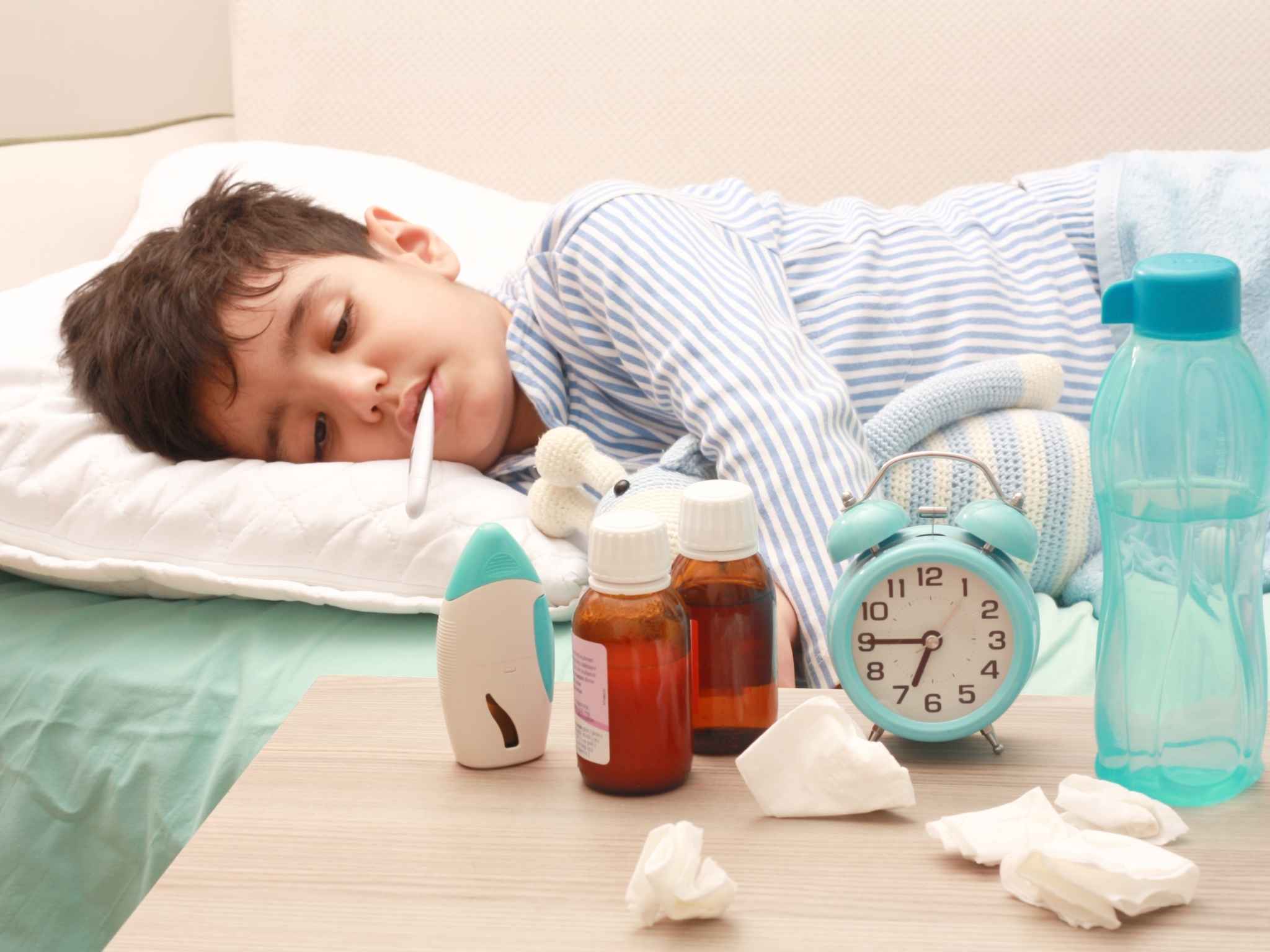
Oh No… It’s Mono! Mono Symptoms in Children Every Parent Should Know
Could your child’s lingering cold actually be mono? Many parents are surprised to learn that mono symptoms in childrendon’t always look the way they expect. While infectious mononucleosis is often called the “kissing disease” because it’s common among teenagers and young adults, younger children can get it too. In fact, kids often have milder symptoms that can easily be mistaken for a common cold, allergies, or another viral illness. If your child has been unusually tired, complaining of headaches, or dealing with swollen glands that just won’t go away, mono might not be the first thing that comes to mind. Knowing the signs, understanding how mono spreads, and learning what recovery looks like can help parents feel more prepared if this unexpected diagnosis lands in their family’s life.
Can Young Children Get Mono?
When a doctor says a child has mononucleosis, one of the first reactions many parents have is, “Isn’t my child too young for that?”
The answer is no.
Although mono is most commonly diagnosed in teenagers and college students, younger children can also become infected with the Epstein-Barr virus (EBV), the virus responsible for most cases of mononucleosis. Many children are exposed at an early age and experience such mild symptoms that parents never realize they had it.
That makes diagnosing mono in younger children a little more challenging because it often doesn’t look like the classic illness many people expect.
What Causes Mono?
Mononucleosis is most often caused by the Epstein-Barr virus, one of the most common viruses worldwide.
It spreads through saliva, which explains why mono has earned the nickname “the kissing disease.” However, kissing isn’t the only way children become infected. The virus can also spread by sharing drinks, eating utensils, water bottles, toothbrushes, or through close contact with saliva from coughing or sneezing.
Because the virus is so common, many adults have already been exposed and developed immunity, often without ever realizing they had mono.
Common Mono Symptoms in Children
One reason mono can be difficult to recognize is that the symptoms often resemble many other childhood illnesses.
Children with mono may experience:
• Extreme fatigue
• Swollen lymph nodes, especially in the neck
• Sore throat
• Fever
• Headaches
• Body aches
• Rash
• Loss of appetite
• Enlarged tonsils
• Enlarged spleen
Symptoms don’t always appear all at once. A child may seem slightly under the weather for several weeks before parents realize something more serious is going on.
Sometimes the biggest clue isn’t a fever or sore throat at all. It may simply be that your usually energetic child suddenly wants to nap every afternoon or no longer has the energy for sports and play.
Why Mono Is Sometimes Hard to Diagnose
Mono has an incubation period of approximately four to six weeks, meaning symptoms may not appear until long after exposure.
To make things even more confusing, blood tests for mono aren’t always positive right away. Early in the illness, testing may come back negative, even if the child has the virus. In some cases, healthcare providers recommend repeating blood work if symptoms continue and mono remains suspected.
Because symptoms overlap with strep throat, influenza, COVID-19, and other viral illnesses, your pediatrician may consider several possibilities before arriving at a diagnosis.
Why Rest Is So Important
Unlike bacterial infections, mono cannot be treated with antibiotics because it is caused by a virus. Treatment focuses on helping the body recover while managing symptoms.
Children with mono generally benefit from:
• Plenty of rest
• Drinking lots of fluids
• Nutritious meals
• Over-the-counter fever or pain relievers as recommended by their healthcare provider
• Extra time to recover before returning to normal activities
Fatigue can linger for several weeks and, in some cases, even months. Every child recovers at a different pace, so it’s important not to rush the healing process.
Sports and the Enlarged Spleen
One of the biggest concerns with mono is the possibility of an enlarged spleen.
Although not every child develops this complication, an enlarged spleen is more vulnerable to injury. Because of the small risk of splenic rupture, healthcare providers usually recommend avoiding contact sports, rough play, heavy lifting, gymnastics, and other activities that could result in a blow to the abdomen until the child has fully recovered.
For active kids, this restriction can easily become the hardest part of recovery. Missing soccer games, basketball practice, PE class, or wrestling matches isn’t much fun, but allowing the spleen time to heal is essential.
Always follow your healthcare provider’s recommendations about returning to sports, as every child’s recovery timeline is different.
When Should You Call the Doctor?
Contact your child’s healthcare provider if your child has prolonged fatigue, swollen glands, persistent sore throat, or fever that isn’t improving.
Seek immediate medical attention if your child experiences:
• Severe abdominal pain, especially on the left side
• Difficulty breathing
• Difficulty swallowing fluids
• Confusion
• Severe weakness
These symptoms may indicate complications that require prompt evaluation.
The Good News About Mono
Although mono can feel like it lasts forever while you’re living through it, most children recover completely with time.
Many adults have already been infected with Epstein-Barr virus during childhood and never even knew it because their symptoms were so mild. Others remember feeling tired for several weeks before gradually returning to normal.
Patience is often the best medicine. Rest, hydration, and allowing your child’s body to heal naturally usually lead to a full recovery.
Frequently Asked Questions
What are the first signs of mono in children?
Early symptoms often include fatigue, swollen lymph nodes, headaches, sore throat, low-grade fever, and general irritability. Some children also develop a rash.
Can younger children get mono?
Yes. Although mono is more commonly diagnosed in teenagers, younger children can absolutely develop infectious mononucleosis. Their symptoms are often milder than those seen in older children and adults.
How long does mono last?
Most children begin feeling better after several weeks, but fatigue may last for a month or longer. Recovery varies from child to child.
When can my child return to sports after mono?
Your healthcare provider should determine when it’s safe to return. Many children need to avoid contact sports for several weeks because of the risk of an enlarged spleen.
Is mono contagious?
Yes. Mono spreads primarily through saliva and can be passed by sharing drinks, utensils, water bottles, or toothbrushes, as well as through close personal contact.
A mono diagnosis may not be what you expect when you bring your child to the doctor for what seems like a lingering cold, but it’s more common than many parents realize. Knowing the symptoms, understanding the recovery process, and giving your child the time they need to heal can make all the difference. While taking a break from sports and busy schedules may be frustrating, a little extra patience now helps ensure a healthy return to school, activities, and everything kids love to do.
Want to see more blogs like this and also get notifications on local events and happenings? Subscribe to our free weekly newsletter
By Guest Blogger Kelly Gunzenhauser