
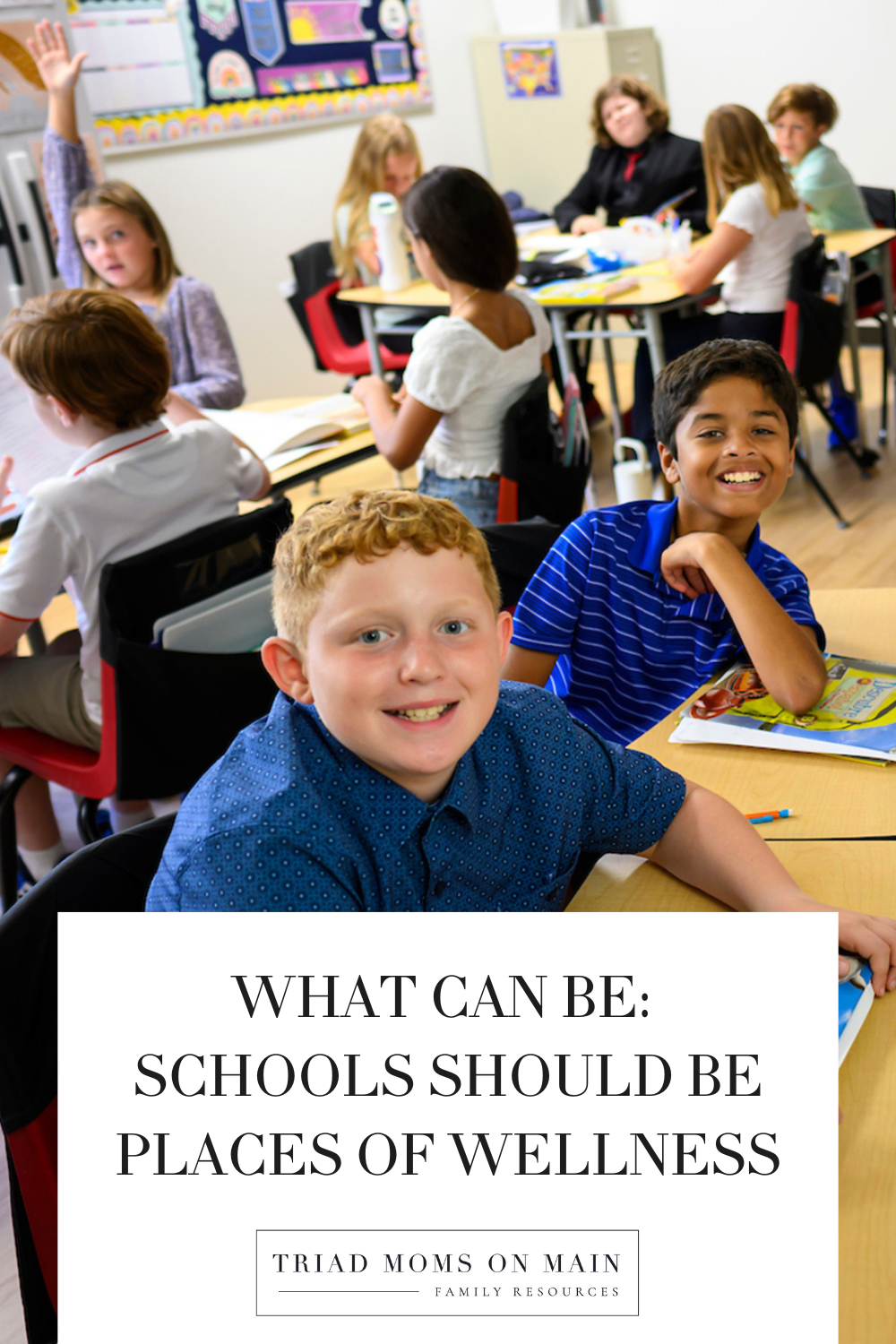
What Can Be: Schools Should Be Places of Wellness
By Mary Keever, Head of School, Westchester Country Day School
In my days as a grammar teacher, I often guided students through the proper use of the word well. We practiced examples like “I take notes well,” “I shoot the basketball well,” and “I treat my friends well.”
Now, as a school leader, I want to know from our students, parents and teachers, “How can I help you be well?” and “How can our school support your personal growth in wellness?”
These are important questions for all schools to ask. Following the pandemic and rapid increase of technology in our lives, I’ve noticed differences in social and emotional wellness among students and adults. So, I started learning about these challenges and sharing with others. While I don’t have all the answers, I believe schools can make a difference in this. When we link arms as parents and educators, we can support one another and help our children and each other get better at being well.
Creating a Culture of Wellness
First, wellness must be more than a buzzword. At our school, we have adopted wellness as a value. Strengthening wellness in the school community allows students to pursue academic and personal growth at their full potential. We started by creating a wellness plan that includes educational resources, speakers, programs and services to promote mental health, reduce stress and encourage resiliency. The key strategy is to encourage partnership as we explore these endeavors together.
Supporting Student Wellness
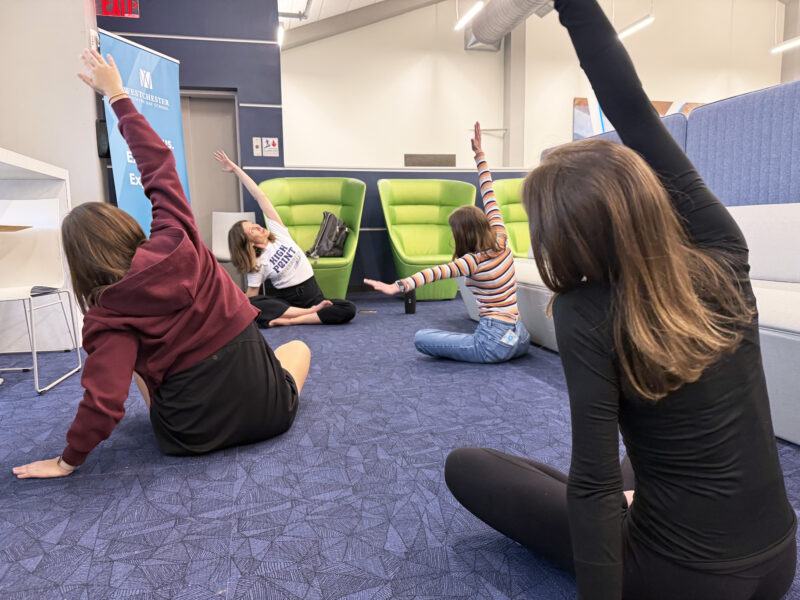
Students face some of the same pressures we did along with new ones, including academic expectations, social challenges and digital distractions. An important part of promoting wellness in a school is empowering students to explore and claim their mental health triumphs and challenges. At our school, this includes tools such as meditation and curriculum on social media and technology use. Our school counselors work 1:1 with students on coping skills and techniques and teach classroom lessons on tools such as resilience, grit, gratitude, and perseverance. We also prioritize movement, ensuring students of all ages get sufficient physical activity. First graders have even invited me to yoga! For older students, offering opportunities to lead and develop their own initiatives, like a student-led Mental Health Awareness Club, helps engage them in the process. Our Varsity Soccer team practiced a meditation technique as they prepared for the state championship game.

Our Food Service team plays a huge part too! Lunch, freshly prepared on campus every day, is built into our tuition with healthy options, a full salad bar and very little sugar. Fresh and baked items are plentiful as opposed to fried or canned and are served by an encouraging staff who nourish our body and soul wellness.

Encouraging Faculty & Staff Wellbeing
It’s essential that adults make space for wellness as they care for the children around them. For example, we are providing exercise programs for faculty to hold each other accountable and enjoy the mental and physical benefits of physical activity. You may glimpse a pack of teachers walking the grounds or stepping outside their comfort zone in a HIIT class. The focus is progress and togetherness, not physical prowess!
Getting Families Involved
Now more than ever, parents and schools must work together to teach children how to grow seeds of peace and happiness, cultivate empathy and compassion, and develop self-control. One way is for families to join in the learning process. We have invited parents and teachers to book clubs on relevant topics, such as The Anxious Generation, Disconnected, and The Screentime Solution. Additionally, we’ve hosted expert panels on child psychology, athletic training, orthopedics, counseling, and college coaching. These sessions help parents and school staff learn together and build relationships while gaining practical insights to support social, emotional and physical health in their homes and classrooms.
A Few Things We’ve Learned
While we don’t have all the answers yet and don’t expect perfection, we are striving to grow in wellness each day. Here are a few of the takeaways that have resonated so far:
- Strive for balance: Encourage students to participate in multiple sports instead of specializing in one. This helps prevent injuries, supports mental health, and encourages character development through teamwork and safe risk-taking.
- Play to your core: Identify family values to guide tech-intentional choices for your children and yourself. As adult role models, we need to assess our own screen usage and how we demonstrate healthy behaviors and boundaries.
- Never stop learning: Be curious, ask questions and seek out knowledgeable resources from educators, counselors and health providers. Collaborate with other families to support students’ screen time and technology use. Teach students about topics like persuasive design so they can better navigate what they see on social media and advertising.
I challenge you to make wellness a part of your personal goals too as we work together to help the next generation develop resilience for the future. To get started, check out these wellness resources or let us know your ideas for supporting wellness in your family or school.
*This Blog is Sponsored and Written by Westchester Country Day School
Website: https://www.westchestercds.org/
Facebook: https://www.facebook.com/westchestercdsInstagram: https://instagram.com/westchestercds
Want to see more blogs like this and also get notifications on local events and happenings? Subscribe to our free weekly newsletters.