
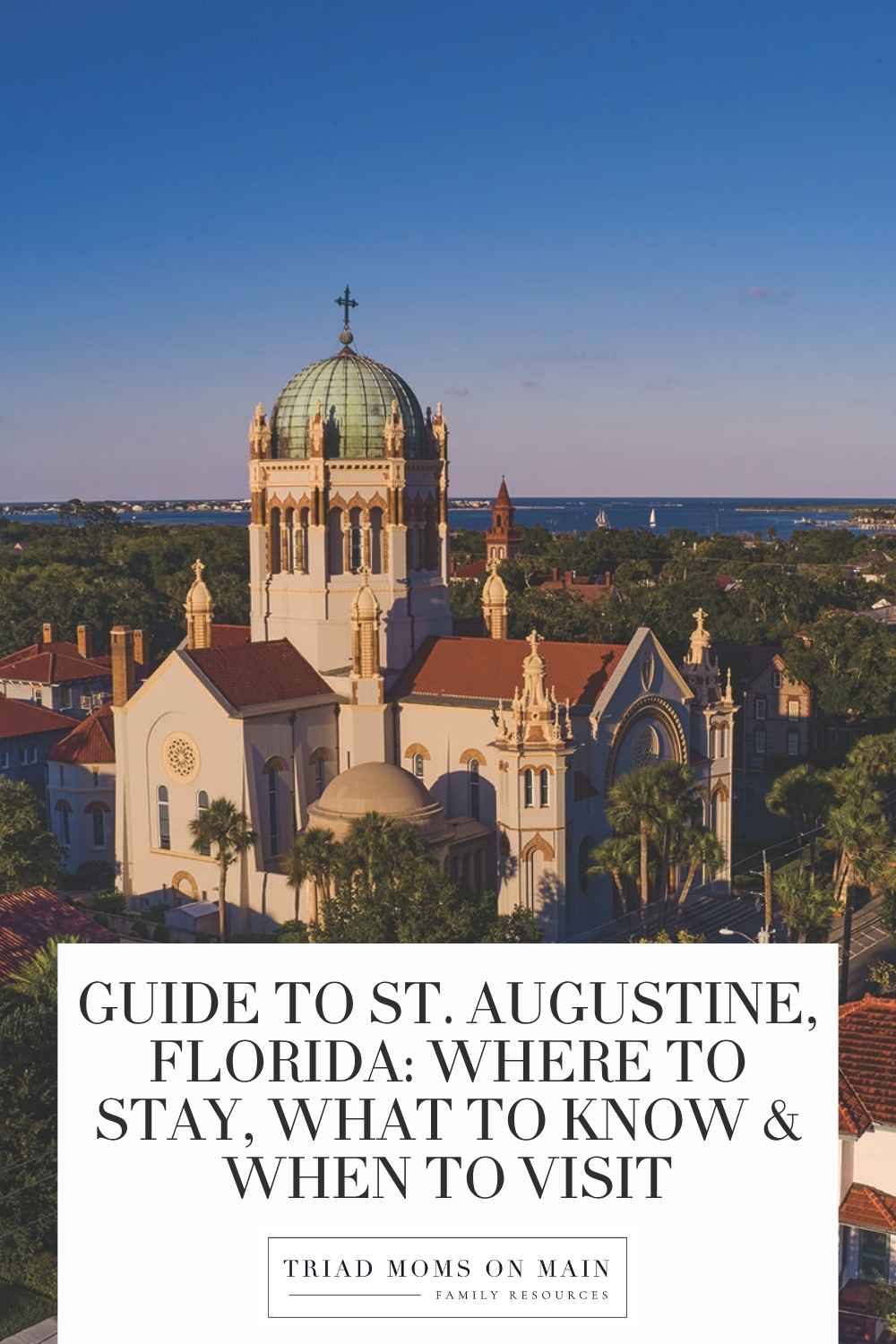
Guide to St. Augustine, Florida: Where to Stay, What to Know & When to Visit

If you’re planning a trip to St. Augustine, Florida, you’re heading to one of the most unique destinations in the country. Known as the oldest city in the United States, it blends historic charm, coastal beauty, and family-friendly attractions into one unforgettable getaway.
This guide covers everything you need to know before visiting, including where to stay, the best time to go based on St. Augustine weather, and how to choose between downtown and St. Augustine Beach. For a day-by-day plan, check out our St. Augustine Family Itinerary.
Where is St. Augustine, Florida?
St. Augustine, Florida is located on the northeast coast of the state, about 45 minutes south of Jacksonville. It’s known for its Spanish colonial architecture, walkable historic district, and beautiful coastline.
The city is divided into a few key areas:
- Downtown Historic St. Augustine
- St. Augustine Beach (Anastasia Island)
- Vilano Beach
- Surrounding resort and golf areas
Each offers a different experience depending on your travel style.
The History of St. Augustine, Florida
St. Augustine, Florida is the oldest continuously inhabited European-established city in the United States, founded in 1565 by Spanish explorer Pedro Menéndez de Avilés. That means the city was established more than 40 years before Jamestown and over 50 years before the Pilgrims arrived at Plymouth Rock.
Because of its long history, St. Augustine has a unique blend of Spanish, British, and American influences that you can still see today in its architecture, layout, and landmarks.
Spanish Colonial Roots
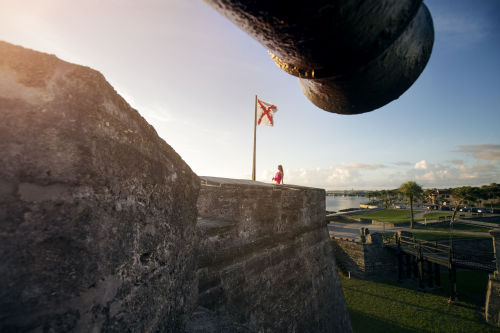
The city was originally founded as a Spanish military outpost and served as the capital of Spanish Florida for over 200 years. During this time, Spain built key structures to protect the city from attacks, including the iconic Castillo de San Marcos, which still stands today as the oldest masonry fort in the continental United States.
Walking through downtown, you’ll notice narrow streets, courtyards, and historic buildings that reflect this early Spanish influence.
British and American Periods
In 1763, Florida was transferred to British control, bringing changes to the city’s culture and development. After a brief return to Spanish rule, Florida eventually became part of the United States in 1821.
These transitions helped shape St. Augustine into the layered, multicultural destination it is today.

Gilded Age Transformation
In the late 1800s, railroad magnate Henry Flagler transformed St. Augustine into a luxury winter destination. He built grand hotels and infrastructure that brought wealthy travelers to the area.
One of his most famous projects is now Flagler College, originally constructed as a luxury hotel. Today, it remains one of the most beautiful buildings in the city.
Why This History Matters Today

The history is my favorite part of this city. Take time to stroll down the cobbled stoned streets, admire all the souvenir shops (there are some really random and interesting stores). It’s a lot of walking, but the best way to see and learn the history is to simply hop on one of the trolley rides (Red Train Tours or Old Town Trolley Tours). You’ll discover everything from the oldest wooden schoolhouse, to the oldest house, to the Authentic Old Jail, as well as amazing stories about Henry Flagler and Martin Luther King Jr.
There is even a stop at Ponce de Leon’s notorious Fountain of Youth. Yes, it really does exist and it’s probably not what you envisioned (that’s all I am going to say without giving it away). What makes St. Augustine so special is that its history isn’t just something you read about—it’s something you experience.
You can:
- Walk through centuries-old streets
- Explore historic forts and museums
- Visit landmarks that have been standing for hundreds of years
This combination of history and accessibility is what makes St. Augustine one of the most unique destinations in Florida, especially for families looking to mix education with fun.
St. Augustine Weather: Best Time to Visit
St. Augustine weather is warm most of the year, making it a great destination in every season, but some times are better than others depending on what you want.
Spring (March–May)
One of the best times to visit. Mild temperatures, lower humidity, and fewer crowds make this ideal for sightseeing.
Summer (June–August)
Hot and humid, but perfect for beach days. This is peak travel season for families.
Fall (September–November)
A great mix of warm weather and fewer crowds. One of the most underrated times to visit.
Winter (December–February)
Cooler temperatures and one major highlight: Nights of Lights. This is one of the most popular events in St. Augustine, when the entire historic district is covered in holiday lights. Also don’t miss Auggie’s Draft Room, which even has a fun nightly snowfall at 7pm that kids will love.
St. Augustine Beach vs Downtown: Where Should You Stay?
One of the biggest decisions when planning your trip is choosing between downtown or St. Augustine Beach.
St. Augustine Beach
Staying on St. Augustine Beach gives you:
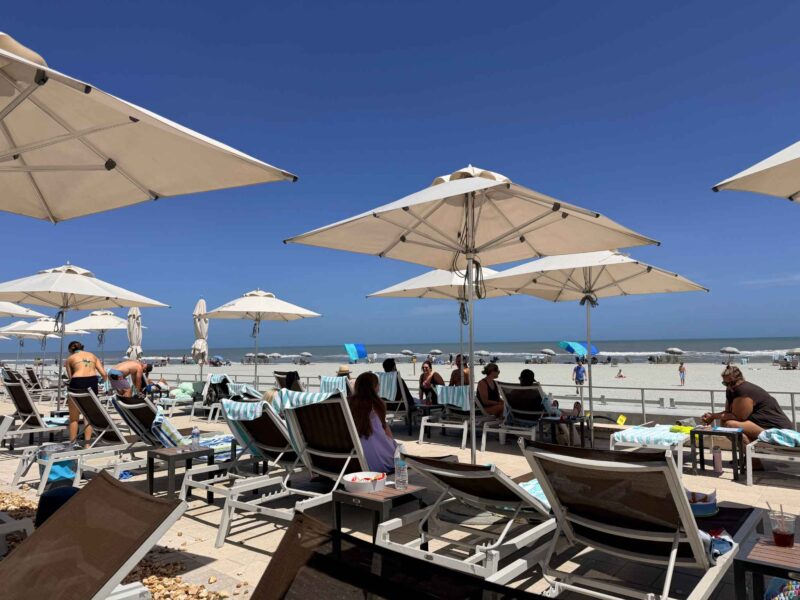
- Direct beach access
- A quieter, more relaxed atmosphere
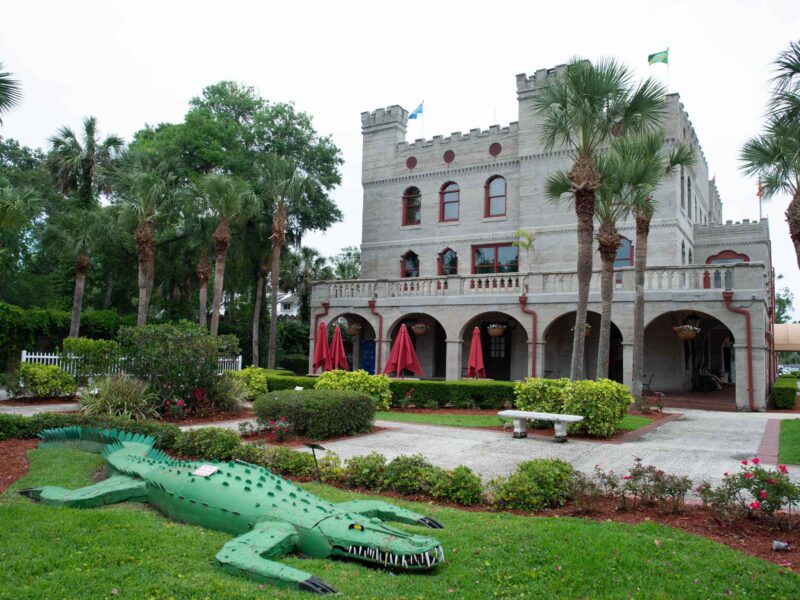
- Easy access to the lighthouse and Alligator Farm
A great option here is
Embassy Suites by Hilton St. Augustine Beach Oceanfront Resort
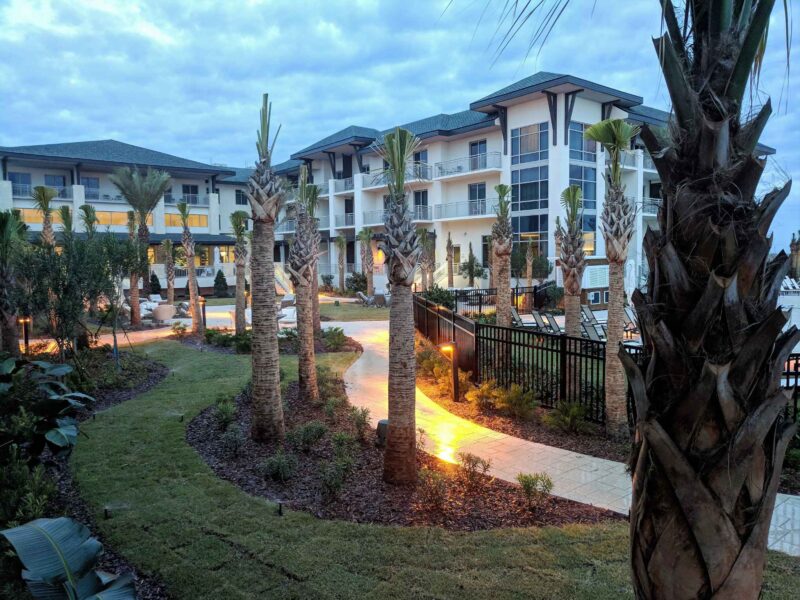
This location is ideal for families because it offers space, convenience, and a balance between relaxation and sightseeing.
Downtown Historic St. Augustine
Staying downtown puts you in the center of everything:
- Walkable attractions
- Restaurants and shops
- Historic landmarks
- Ripley’s Believe It Or Not Museum
Hotels here are often smaller and more boutique-style, but you’re steps away from the action.
St. Augustine Vacation Rentals
If you’re traveling with a larger group or want more space, St. Augustine vacation rentals are a popular option. Many are located near the beach and offer full kitchens, multiple bedrooms, and more flexibility for families.


Best Hotels in St. Augustine
If you’re searching for St. Augustine hotels, here are a few top options based on location and experience:
- Embassy Suites by Hilton St. Augustine Beach Oceanfront Resort
- Hilton St. Augustine Historic Bayfront
- Renaissance St. Augustine Resort & Spa
- Casa Monica Resort & Spa – Highly recommend it if you are looking for something fancy (although I hear it’s haunted).
Each offers a different experience depending on whether you want beach access, historic charm, or a resort-style stay.
St. Augustine Beaches: What to Expect
The beaches are one of the biggest draws to the area. The beaches of St. Augustine span for more than 20 miles. They are wide, flat, and easy for families, with plenty of space to spread out. You’ll find:
- Public beach access points
- Restaurants and casual dining
- Water activities and rentals
It’s also a great place to build in downtime during your trip so you’re not constantly sightseeing.
Vilano Beach
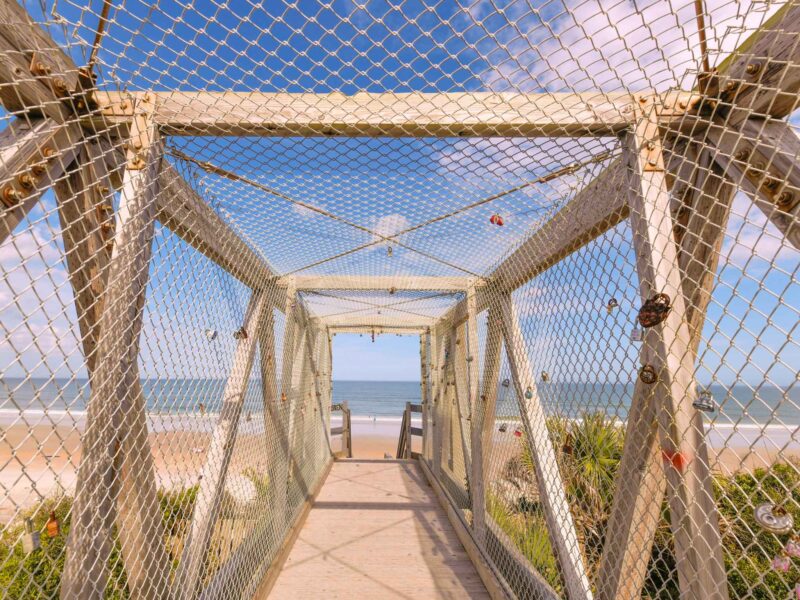
The northern most beach is Vilano Beach, just over Usina Bridge about five minutes from historic downtown St. Augustine. Locals call this beach a “best kept secret” because of its serene beaches, parks, ocean front restaurants and fishing pier. You also might find shark teeth here!
Anastasia State Recreation Park
A little further south (approximately one mile from the Bridge of Lions on Anastasia Island), is Anastasia State Recreation Park, a protected bird sanctuary with five miles of beautiful beaches. Here you’ll find swimming, lifeguards, playgrounds, and camping. The park usually closes at sundown unless you are there to camp overnight.
St. Augustine Beach
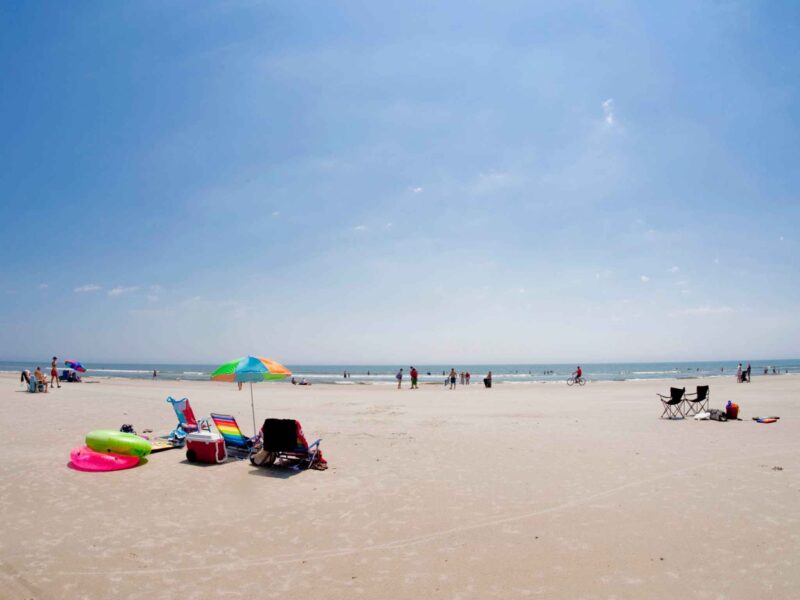
St. Augustine Beach is also located on Anastasia Island and is less than five minutes from downtown St. Augustine. Look for St. John’s County Pier located at this beach along with restaurants and shops.
Crescent Beach
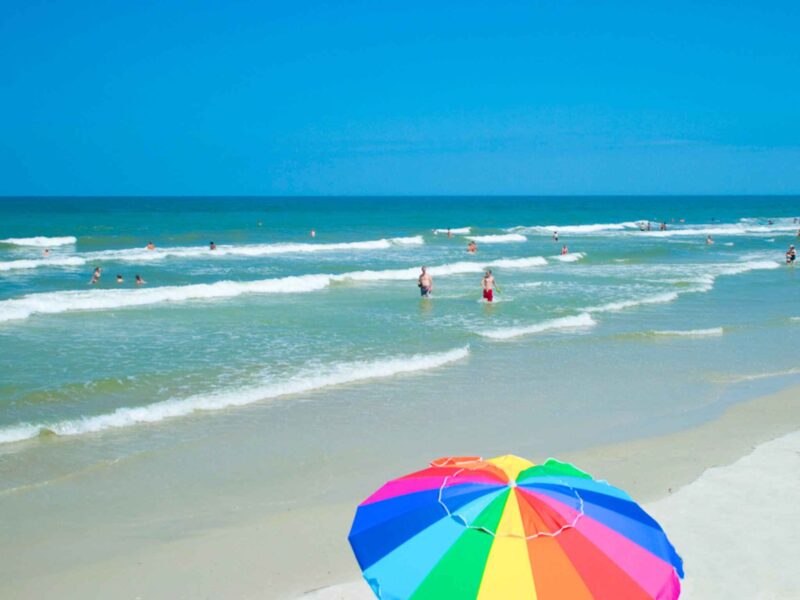
If you travel about 15 minutes further south on A1A, you’ll arrive at Crescent Beach which is considered one of the most scenic, unspoiled beaches in Florida. Very close to Crescent Beach is the Ft. Matanzas area, my absolute favorite beach area and one that I included in our Favorite Family Beaches Directory HERE.
Downtown Historic St. Augustine, FL
Downtown historic St. Augustine, FL is where you’ll find the heart of the city. This area is packed with:
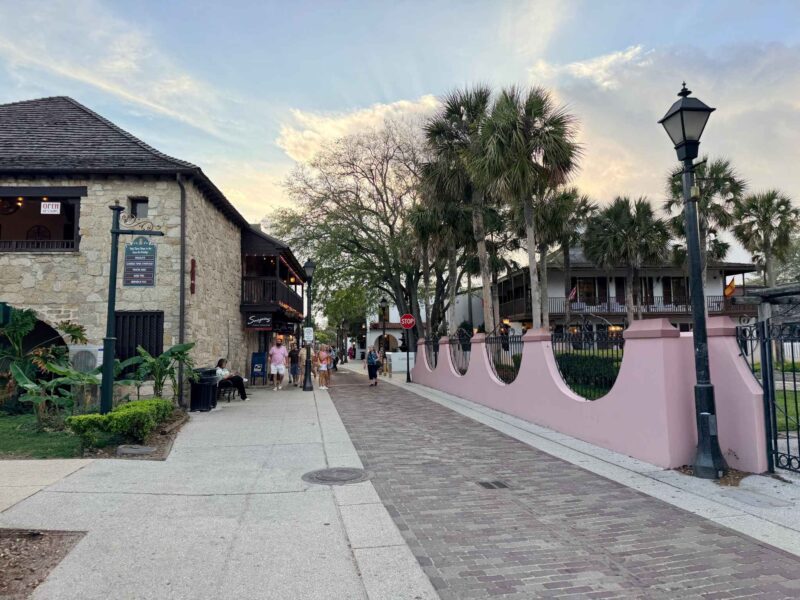
- Historic landmarks
- Museums
- Restaurants
- Shops
The layout is compact and very walkable, which makes it ideal for families.
Key highlights include:
- Castillo de San Marcos
- St. George Street
- Lightner Museum
St. Augustine Restaurants: Where to Eat
St. Augustine has a strong food scene with everything from casual bites to upscale dining.
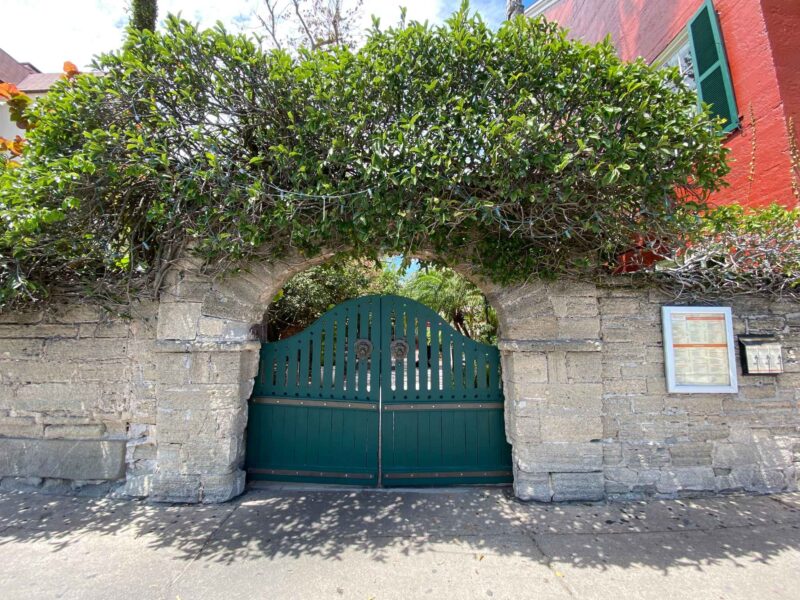
Popular spots include:
- Columbia Restaurant
- Catch 27
- The Conch House Restaurant
- The Saint Restaurant
- O.C. White’s Seafood & Spirits – downtown and overlooks the water. It was a little fancier than what we were looking for with kids, but the food was great as well as the outdoor patio.
- Harry’s Seafood Bar & Grille – New Orleans-style seafood overlooking the Bridge of Lyons
- The Raintree – situated in a restored 1879 Victorian home in downtown featuring excellent food, patio and gazebos
- Saltwater Cowboys – fantastic seafood and BBQ with a beautiful view of the marshland off of A1A
If you’re searching for the best restaurants in St. Augustine, you’ll find plenty of options in both the historic district and along the beach.

St. Augustine Amphitheatre
The St. Augustine Amphitheatre is a major venue for concerts, festivals, and events. If you’re visiting, it’s worth checking the schedule to see if anything is happening during your trip.
 provided by FloridasHistoricCoast.com
 provided by FloridasHistoricCoast.com
 provided by FloridasHistoricCoast.com
Unique Experiences You Shouldn’t Miss
St. Augustine offers several experiences that you won’t find just anywhere:
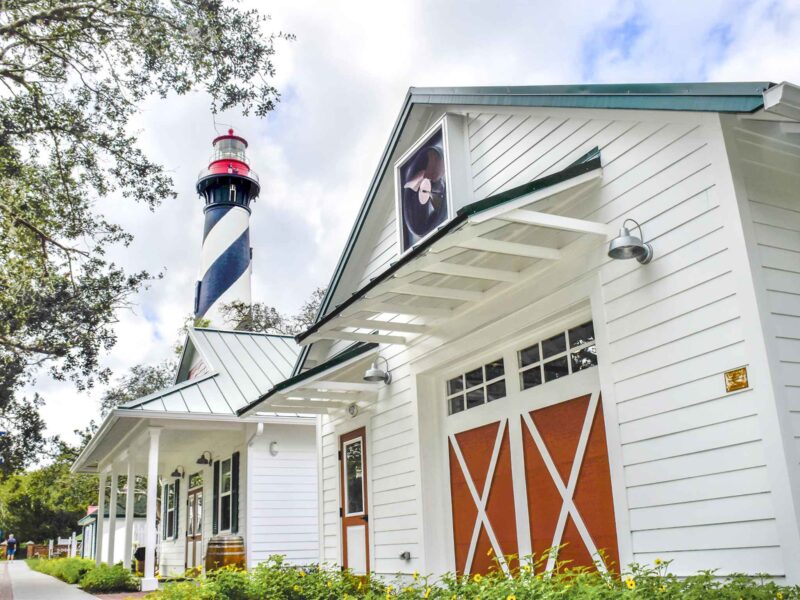
- St. Augustine Lighthouse & Maritime Museum
- St. Augustine Alligator Farm Zoological Park
- Capybara Cafe
- St. Augustine Distillery Tour
- San Sebastian Winery and Vino del Grotto.
- The Pirate Ship Black Raven
- Marineland Dolphin Adventure. Marineland originally opened in 1938 as a facility for Hollywood film makers to create underwater footage for movies. Today, it’s a place you can go visit dolphins – whether you’re swimming in the tank with them or feeding and watching them from the dock. We’ve been several times with the kids and every visit is a treat!
- World Golf Village, about 20 miles north, which features shopping, restaurants (including the famous Caddyshack Restaurant), an IMAX theatre, museum, virtual golf (at any course in the world), mini golf, and a lot of fun for the whole family.
These are some of the most talked-about attractions and help make the city feel different from a typical beach destination.
St. Augustine Nights of Lights
If you’re visiting during the holiday season, St. Augustine Nights of Lights is one of the top reasons to plan a trip.

The entire historic district is illuminated with millions of lights, creating one of the most impressive holiday displays in the country. This event draws visitors from all over and completely transforms the city.
Is St. Augustine Worth Visiting?
St. Augustine, Florida offers a rare combination of history, beach, and family-friendly attractions. Whether you’re planning a weekend getaway or a longer vacation, it’s a destination that appeals to a wide range of travelers.
With the right plan, you can enjoy both the energy of downtown and the relaxation of St. Augustine Beach, making it one of the most well-rounded trips in Florida.