

Why Postpartum Nutrition Matters More Than You Think
This blog is sponsored by Golden Hour Provision and written by Michaela Bell, Certified Nutrition Consultant
The months after birth are incredibly important for the wellbeing of both mother and baby, but they are often the most neglected. It can be a beautiful time full of newborn snuggles and family bonding, but it can also leave mothers feeling forgotten, overwhelmed, and exhausted.
During pregnancy, there is a clear destination to plan for: birth. But during the “Fourth Trimester,” there is no clear roadmap of recovery and no set timeline for when a mother is fully healed. Postpartum should be a time when both mother and baby are deeply cared for, yet the physical demands only increase after delivery. A mother’s body must heal from birth, adapt to a new physical and mental state, and learn how to care for a newborn, all while navigating breastfeeding if she chooses that path.
“Eating for two” is a phrase often heard during pregnancy, but caloric needs are actually higher for postpartum mothers than they are in the third trimester of pregnancy. With the combined demands of tissue repair and milk production, breastfeeding mothers require around 500 additional calories a day compared to their pre-pregnancy baseline. Postpartum nutrition matters far more than most people realize, starting with the very basics of recovery.
Phase 1: Immediate Recovery & Symptom Support
Hydration
First, fluid balance is very important after birth. Between blood loss, post-birth night sweats, and breastmilk production, your body drains its fluid reserves quickly. Electrolytes play a major role here: because they are required for muscle contractions, adequate electrolyte levels assist the uterus in contracting back down to its pre-pregnancy size during the early days postpartum. Adding a high-quality electrolyte supplement to your routine can accelerate this recovery. For breastfeeding mothers, a great rule of thumb is to drink a glass of water every time you sit down to feed. You can also mix up your hydration with coconut water, herbal teas, or nutrient-dense bone broths.

Tackling Digestive Discomfort
Next, postpartum digestive issues, especially constipation, affect over 60% of new mothers in the first week. This sluggishness stems from shifting internal organs, surgical recovery, pelvic floor trauma, and pain medications. Dehydration only exacerbates the problem.
Alongside fluid intake, focus on warm, easily digestible foods. Soups, well-cooked greens (avoiding raw produce initially, as it takes more energy to digest), healthy fats, and fiber-rich foods like chia and flax seeds help gently restart digestion without stressing your system. If you are experiencing post-birth edema or swelling, incorporating potassium-rich foods like bananas, avocados, and squash will help your body shed excess retained fluid naturally.
Phase 2: Replenishing Essential Maternal Nutrients
While getting enough calories and fluids creates the foundation, deep recovery requires replenishing the vital micronutrients your body depleted during pregnancy and birth.
Iron and Postpartum Fatigue
It’s easy to write off bone-deep fatigue as “just having a newborn,” but postpartum iron deficiency anemia often hides behind standard newborn exhaustion. Iron loss during delivery combined with the immense energy needed for recovery leaves many new mothers running on empty. Beyond fatigue, low iron stores can impair milk supply and significantly increase the risk of postpartum depression. Any new mother who feels that her exhaustion may be more intense than normal should alert her medical provider, who can address any underlying conditions. Prioritizing iron-rich foods like grass-fed meats, dark leafy greens, and lentils is helpful for rebuilding iron stores in the early days.
Magnesium for the Nervous System
The physical strain of labor and the mental load of early motherhood take a heavy toll on your nervous system. Magnesium acts as a natural relaxant, helping to ease muscle soreness, regulate stress, reduce postpartum headaches, and support better sleep quality during those short rest windows. Incorporating pumpkin seeds, chia seeds, dark chocolate, and oats into your snacks is an easy, delicious way to keep your magnesium levels high.
Iodine and Thyroid Health
Postpartum thyroid dysfunction affects up to 1 in 4 mothers, making thyroid health a major priority during the Fourth Trimester. Iodine is essential for maintaining your own thyroid hormone production, which directly impacts your energy, metabolism, and mood. If you are breastfeeding, your baby also relies entirely on your maternal iodine intake through breastmilk to build their own thyroid hormones for healthy growth. Seaweed, high-quality dairy, wild-caught fish, and beans are all fantastic sources to include in your meals.
Phase 3: The Lactation Connection (Nourishing Baby Through Mom)
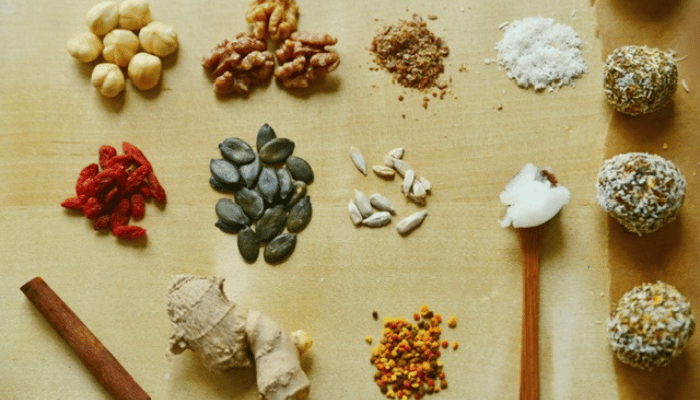
Lastly, when a mother chooses to breastfeed, her body continues the incredible work of building and sustaining her baby. It’s easy to assume your body only makes milk from what was just eaten, but the reality is more profound: breastmilk is dynamic. For certain nutrients, your body will tap into your own body’s reserves if your daily diet falls short. Feeding a baby should not come at the cost of draining the mother.
DHA: Protecting Mom’s Brain While Building Baby’s
DHA, an essential omega-3 fatty acid, is a major building block for a baby’s rapidly developing brain and visual recognition. During lactation, a mother’s body prioritizes enriching breastmilk with DHA. If her dietary intake is low, her body will pull from its largest available storehouse: her own brain tissue. Maintaining levels of DHA through fatty fish like wild salmon and sardines not only supports a baby’s cognitive development, but it also helps support your own brain health and mood.
Choline: The Cognitive Powerhouse
Lactation creates the single highest demand for choline in a woman’s entire lifespan (even higher than during pregnancy). Choline is linked to improvements in memory, brain development, and long-term cognitive function. Because choline levels in breastmilk directly reflect maternal consumption, keeping eggs, liver, and salmon in weekly meal rotations can help both mother and baby receive enough of this essential nutrient.
Protein and Tissue Rebuilding
Producing breastmilk is a high-protein task. On top of your baseline needs, lactation requires 25 additional grams of protein every day. Protein provides the essential amino acids needed to continue healing maternal tissues post-birth, maintain muscle mass, and create key compounds in breastmilk that support the baby’s immune system.
Calcium and Bones
An infant’s need for calcium will always be prioritized in breastmilk. However, if a mother’s diet lacks sufficient calcium, her body mobilizes it directly from her bones to fill the gap. To protect long-term maternal bone density while supporting milk supply, incorporating calcium-dense foods like bone-in sardines, organic dairy, and sesame seeds is essential.
Micronutrient Backups and Gut Health
Maternal diet directly influences the levels of Vitamin A and C in breastmilk, which support infant immune defenses. Furthermore, a mother’s own gut microbiome directly influences the beneficial bacteria passed to her baby during feeding. Incorporating probiotics and fermented foods supports healthy infant digestion, helps build their immune barrier, and reduces the risk of early allergies.
Honoring the Mother in the Fourth Trimester
The postpartum journey is an incredible transformation, known as matrescence. While it is natural for attention to be focused entirely on the newborn, maternal health, healing, and nourishment are just as critical. A mother caring for herself is not a luxury or an afterthought, it is foundational health care for both mother and baby.
Postpartum recovery deserves grace, patience, and deep nourishment through foods that warm, restore, and replenish. No mother should have to navigate this season alone.
At-Home Nutrition for Postpartum
Preparing nutrient-dense, restorative meals takes time and energy, which are two things in short supply when caring for a newborn. That is exactly why our postpartum meal delivery service, Golden Hour Provisions, was created. We prepare warm, easily digestible, and deeply nourishing meals made specifically to support physical recovery, hormone balance, and milk production, then deliver them directly to your door.
For mothers and families preparing for postpartum, click here to explore our local meal plans and let us take meal prep off your plate: Golden Hour Provisions

This information is provided for educational purposes only and is not intended to diagnose, treat, or heal any medical condition. Always consult with your doctor before making any changes to your diet or lifestyle.”
Want to see more blogs like this and also get notifications on local events and happenings? Subscribe to our free weekly newsletter.