
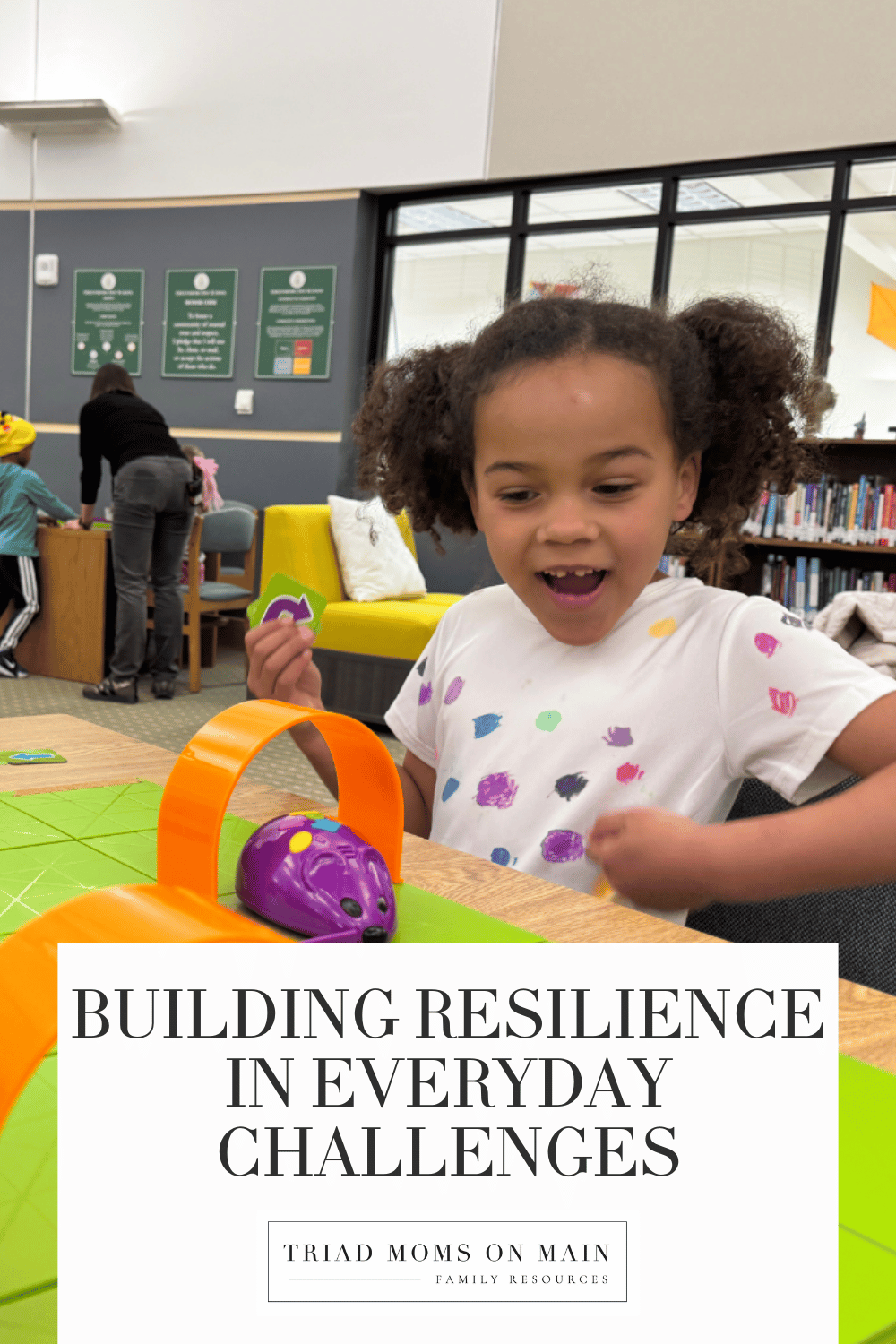
Building Resilience in Everyday Challenges
Written by the Greensboro Day School Counseling Team
Resilience is the ability to bounce back and grow when life doesn’t go exactly as planned. For kids, everyday challenges like struggling with homework, having an argument with a friend, or not making the team are chances to practice perseverance. With guidance, these moments can become building blocks for lifelong resilience.
1. Normalize Struggle
It’s important for kids to know that feeling disappointed, upset, or frustrated is completely normal. What matters is learning how to handle those feelings in healthy ways. Try saying:
“This is hard right now, but hard things help us grow.”
Use comparisons kids understand, like building muscles at the gym or learning from a tough sports loss. Share your own stories about setbacks and how you worked through them. These real-life examples help children see that struggle is a part of growth.
2. Encourage Problem-Solving
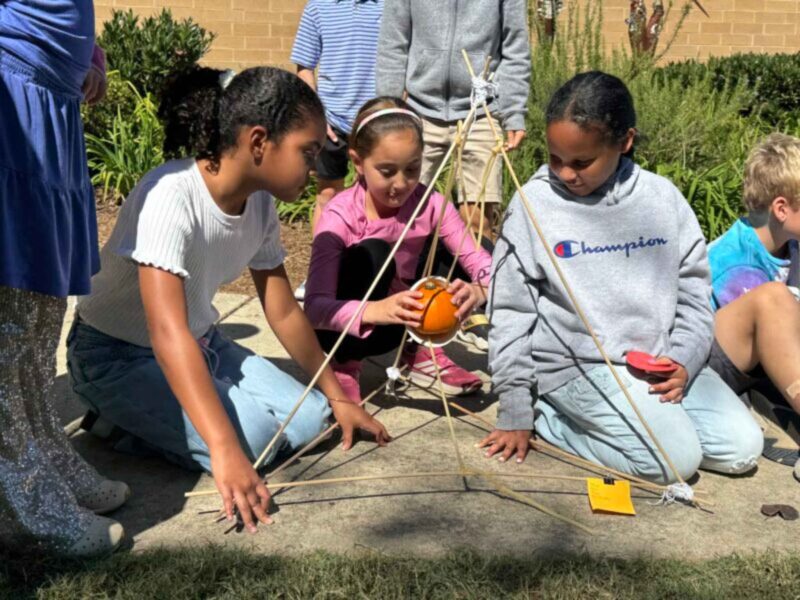
Instead of rushing in with answers, guide your child with questions such as:
“What have you tried so far?” and “What’s one small step you could take next?”
This shows them that you trust their ability to figure things out, and it helps them build confidence in their own problem-solving skills.
3. Reframe Mistakes as Learning
Help your child see mistakes as stepping stones, not roadblocks. Celebrate effort as much as results:
“I’m proud of how hard you worked on that.”
Psychologist Carol Dweck calls this a “growth mindset,” believing that effort and persistence matter most. When things don’t go well, ask reflective questions:
“What did you learn from this?” and “What would you do differently next time?”
This helps kids see failure as feedback instead of something to fear.
4. Model Healthy Coping

Kids learn most by watching us. Show them simple ways to handle stress: deep breathing, taking breaks, or talking things through. Narrate your own process out loud:
“This is stressful, but I’m going to take it one step at a time.”
When children hear and see you coping in positive ways, they are more likely to do the same.
5. Build Routines of Responsibility
Give your child age-appropriate responsibilities, like helping with chores, feeding a pet, or managing homework time. Following through builds confidence and a sense of capability. Plus, it helps them feel like an important contributor at home.
“Taking care of the dog takes hard work from all of us. I’m going to bring food and treats home from the store and take the dog to the vet. What can you do to help?”
6. Emphasize Support Systems
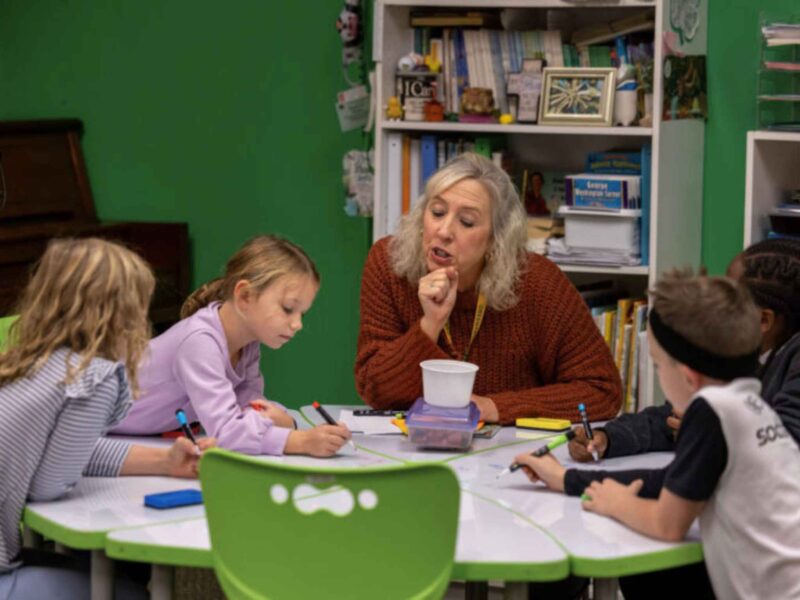
Remind kids that resilience doesn’t mean “doing it all alone.” Encourage them to reach out to teachers, friends, or family members when they need help. Let them know that asking for help is a strength and a skill that will benefit them well into adulthood.
“That sounds like a hard science unit for you right now. How can you get in touch with your teacher to meet with you for review?”
7. Celebrate Small Wins
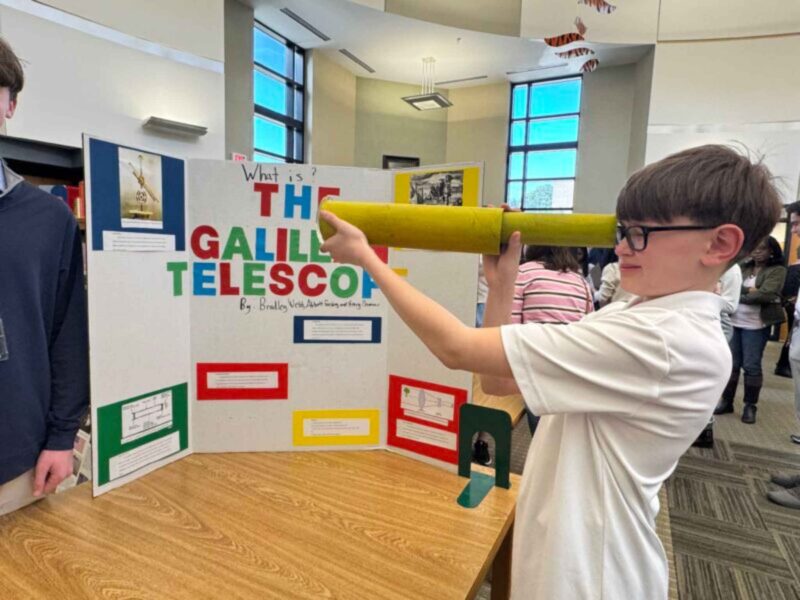
Notice the little steps forward. For example:
“You kept trying even when it got tough. That’s resilience!”
Recognizing progress builds momentum. Small wins give kids the confidence to take on bigger challenges down the road.
Sometimes we fall into the trap of trying to remove obstacles, but that can actually undermine our children’s endurance. Resilience, by definition, is about facing struggles. It teaches us how to work through challenges with support, effort, and a positive mindset.
GDS Counseling Team
Bridget Gwinnett MS, LCMHCS
Director of Counseling & Upper School Counselor
Katelyn Williams MS, NCC
Middle School Counselor
Shannon Kincaid MSW, LCSW
Lower School Counselor
This blog is sponsored Greensboro Day School