
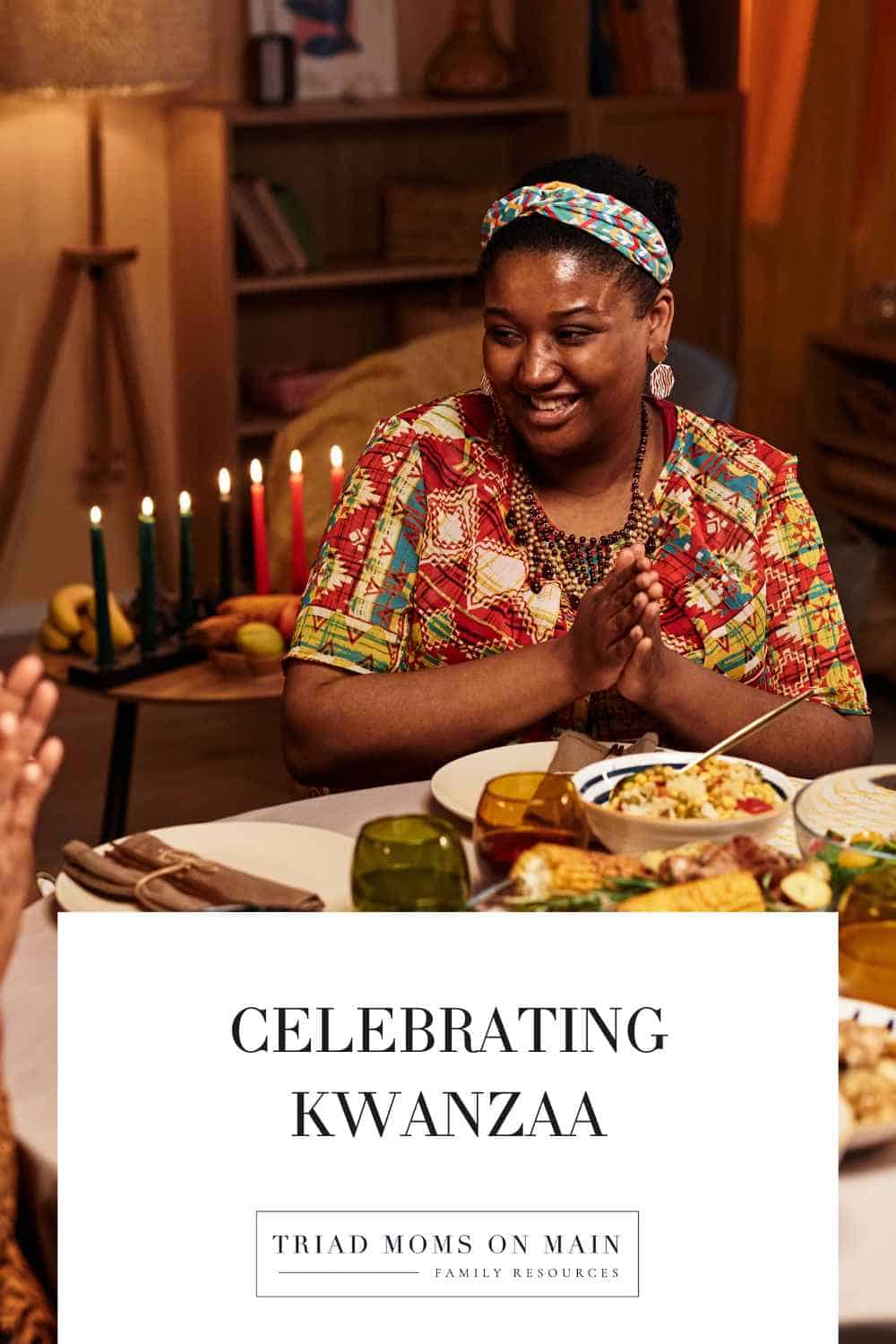
Celebrating Kwanzaa 2025: Meaning, Traditions, and Family Activities

Kwanzaa is a week‑long cultural celebration honoring African heritage, unity, and community values. Observed annually from December 26 through January 1, Kwanzaa is centered around reflection, family gatherings, and the Seven Principles known as the Nguzo Saba.
Whether your family actively celebrates Kwanzaa or is learning about it for the first time, this guide will walk you through the history, traditions, symbols, and meaningful ways to celebrate Kwanzaa at home — plus how families in the Triad can participate locally.
When Is Kwanzaa Celebrated in 2025?
Kwanzaa is celebrated every year from December 26 to January 1, immediately following Christmas.
Each day focuses on one of the Seven Principles, encouraging families to reflect on shared values, culture, and purpose.
What is Kwanzaa?
“Harambee!!!!!!!” Thousands of people worldwide can be heard shouting this Kiswahili word. It means “let’s pull together” during the seven-day Kwanzaa celebration. Kwanzaa was created in 1966 by Dr. Maulana Karenga as a way to honor African heritage and strengthen community bonds among African Americans. It is not a religious holiday, which means it can be celebrated alongside other faith‑based holidays.
The celebration emphasizes:
-
Unity
-
Self‑determination
-
Collective responsibility
-
Creativity
-
Faith
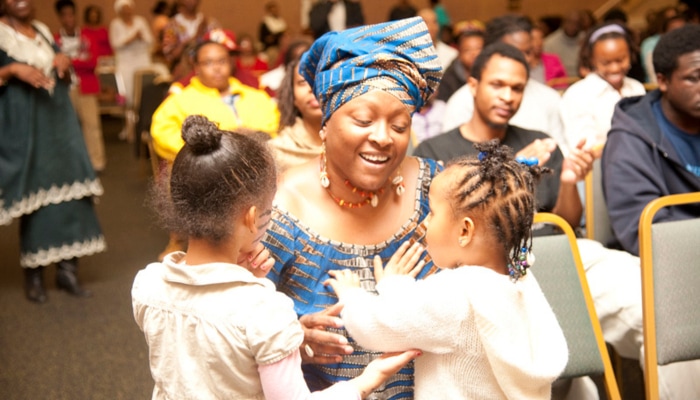
The Seven Principles of Kwanzaa (Nguzo Saba)
Kwanzaa is a pulling together of various African-based cultures and traditions. Like Harambee, Kwanzaa is a Kiswahili word meaning first fruits. The Seven Principles of Kwanzaa, known as the Nguzo Saba, are also given Kiswahili names. Each day of Kwanzaa highlights one principle:
-
Umoja (Unity) – Building harmony within family and community
-
Kujichagulia (Self‑Determination) – Defining and naming ourselves
-
Ujima (Collective Work & Responsibility) – Supporting one another
-
Ujamaa (Cooperative Economics) – Supporting local businesses
-
Nia (Purpose) – Building and restoring community
-
Kuumba (Creativity) – Leaving the world more beautiful
-
Imani (Faith) – Believing in people and traditions
Each day, celebrants ask one another “Habari Gani”, meaning “What’s the news”. The response is one of the seven principles, depending on what day it is. Each night, a candle is lit in honor of the principle of the day. Participants share how they have lived the principle throughout the year and will strive to continue abiding by it in the upcoming year.
Kwanzaa Symbols and Their Meanings
Kwanzaa includes several meaningful symbols that are often displayed in homes:
-
Kinara: Candle holder representing African roots
-
Mishumaa Saba: Seven candles (three red, three green, one black)
-
Mkeka: Woven mat symbolizing foundation and history
-
Mazao: Fruits and vegetables representing harvest
-
Muhindi: Corn symbolizing children
-
Kikombe cha Umoja: Unity cup for libations
-
Zawadi: Gifts encouraging growth and learning
Each night, one candle is lit — starting with the black candle in the center.
Traditional Foods
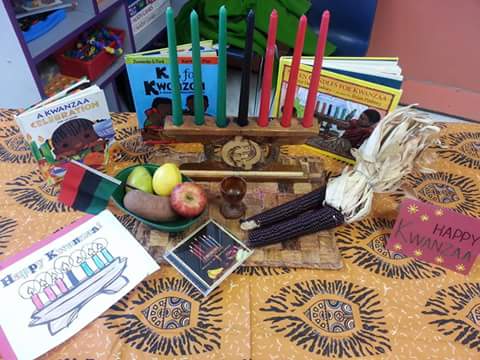 The greetings and principles of Kwanzaa are Kiswahili, which originates in southeastern Africa. The foods are traditional to West Africa and the American South. These include yams, rice, greens, and corn.
Kwanzaa Traditions
Though Kwanzaa is fifty-one years old, every part of this cultural celebration is steeped in centuries-old traditions. From honoring the ancestors by pouring libation, to beating the djembe drum, each part of the celebration is designed to both practice and pass down cultural traditions that have helped African people to maintain strong communities.
The Sankofa
The purpose of Kwanzaa could be summed up by understanding the meaning of the West African symbol called Sankofa. The Sankofa bird neck is turned backwards in order to fetch the egg on its back. It is a common reminder that those who choose to celebrate Kwanzaa are required to look back. Remember and fetch their rich cultural heritage in order to move forward in strength and unity. It is a reminder that each generation is standing on the shoulders of those who came before, and a warning not to forget the cultural traditions of the past.
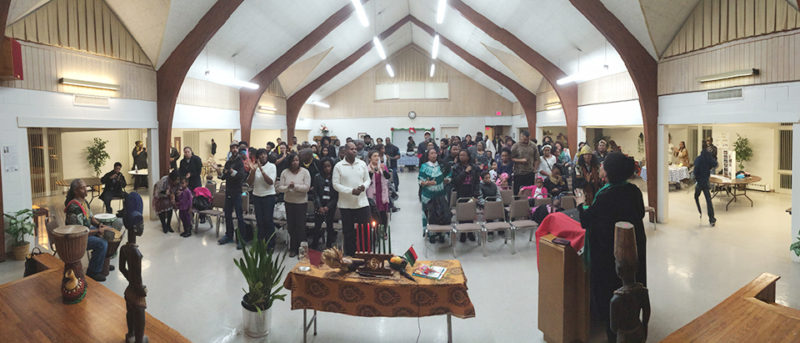
Although the celebration is filled with strong cultural displays, the general public often generalizes Kwanzaa as a “Black Christmas.” However, nothing could be further from the truth. Kwanzaa is a beautiful way of honoring the ancestors who carried these traditions in the past. It is a time to celebrate having lived the Nguzo Saba all year. It is also a commitment to show the younger generations the importance of carrying these traditions into the future. Yes, there are gifts given to children during Kwanzaa called Zawadi, another Kiswahili word, however these gifts are given as a way of encouraging and rewarding children for living the seven principles of the Nguzo Saba. Kwanzaa is a time for cultural commemoration and celebrating the fruitful life that comes from collectively practicing the Nguzo Saba.
How to Celebrate Kwanzaa at Home
Celebrating Kwanzaa at home can be simple, meaningful, and family‑centered:
-
Light the kinara each evening and talk about the day’s principle
-
Share a meal inspired by African or African‑American culture
-
Read children’s books that explain Kwanzaa traditions
-
Play music, dance, or enjoy storytelling together
-
Encourage kids to reflect on what unity, creativity, or purpose means to them
Kwanzaa Activities for Kids
Looking for kid‑friendly ways to celebrate?
-
Make a DIY kinara craft
-
Create principle cards with drawings or words
-
Cook together and help prepare a family meal
-
Write or draw what each Kwanzaa principle means to them
-
Attend local cultural celebrations or library programs
These hands‑on activities help children connect with the values behind the holiday.
Kwanzaa Gift Ideas (Zawadi)
Gifts are traditionally exchanged on January 1 and focus on education and culture, such as:
-
Books
-
Journals
-
Art supplies
-
Handmade gifts
-
Educational toys
The emphasis is on thoughtfulness and growth, not materialism.
Greensboro Kwanzaa Collective
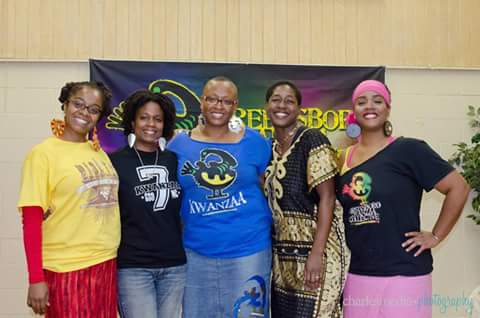
The founders of Kwanzaa created the celebration in order to restore and reaffirm Black people’s rootedness in African culture. Since 2010, the Greensboro Kwanzaa Collective (GSOKC) has worked to carry out this mission by hosting a full, seven-day celebration for the community. GSOKC follows in the footsteps of other organizations and community leaders who have hosted Kwanzaa celebrations in the Greater Greensboro area since the late 1970s.
 The GSOKC is a program and partner of Indigos Cultural Arts Centers, which together is able to ensure that there is a seven-day celebration each year in Greensboro. The program opens with an African drum call to signal that it is time for the community to gather, and features performances and keynote messages from local artists and speakers. Libation is poured, the candles are lit, and celebrants sing Lift Evry’ Voice And Sing, also known as the Black National Anthem. The program ends with everyone shouting HARAMBEE and enjoy the traditional feast known as the karamu.
Kwanzaa Celebrations & Events in the Triad
Families in Greensboro, Winston‑Salem, High Point, and surrounding areas can often find:
-
Community Kwanzaa ceremonies
-
Library storytimes and cultural programs
-
Museum or arts‑center celebrations
-
School or neighborhood observances
Local events vary year to year, so be sure to check community calendars, cultural organizations, and local libraries for 2025 Kwanzaa events in the Triad.
What are the dates of Kwanzaa 2025?
Kwanzaa runs from December 26, 2025 through January 1, 2026.
Is Kwanzaa a religious holiday?
No. Kwanzaa is a cultural celebration and can be observed alongside religious holidays.
What do the Kwanzaa colors mean?
Black represents the people, red represents struggle, and green represents hope and the future.
How can families celebrate Kwanzaa together?
Families celebrate by lighting candles, discussing the Seven Principles, sharing meals, and participating in cultural activities.
Are there Kwanzaa events in the Triad?
Yes! Many community centers, libraries, and cultural organizations host local celebrations each year.
Final Thoughts
Kwanzaa is a meaningful time to celebrate heritage, unity, and shared values. Whether you observe one day or all seven, the holiday offers families an opportunity to slow down, reflect, and connect — with each other and with their community.
Happy Kwanzaa ❤️🖤💚
Related Holiday & Cultural Guides on Triad Moms on Main
By Guest Blogger Tonya Poole, Member of the GSOKC Updated by Sarah Marchwiany
More information about the GSOKC, as well as upcoming events, can be found on Facebook HERE.
Want to see more blogs like this and get notifications on local events and happenings? Subscribe to TMoM’s free weekly newsletters here.
Another Blog you Might Like: Uncomplicating Kwanzaa
[amazon_auto_links id=”65202″]