
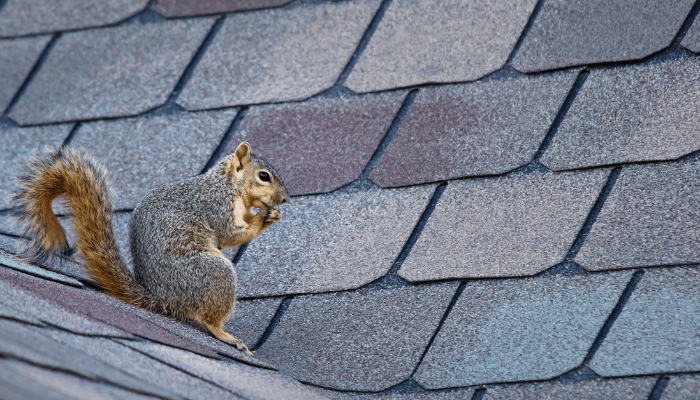
Nuisance Wildlife in Your House: Signs, Prevention, and Humane Removal in the Triad
Most wild animals avoid people, but a variety of reasons can drive wildlife into your home. Animals have the same basic needs we do: food, water, and shelter. Your house can provide all three. As temperatures drop across Winston-Salem, Kernersville, High Point, and the rest of the Triad, squirrels, mice, rats, and raccoons start looking for warm, protected places to nest, and attics and crawl spaces are at the top of their list.
Here’s how to tell if you have animals in your attic or walls, how they get in, what North Carolina families should know about bats, and how to keep wildlife out for good.
Why Wildlife Moves Into Your Home
Many animals look for sheltered spaces like attics to give birth and raise their young.
- Squirrels have two litters a year, typically in late winter or spring and again in late summer or fall, and often use attics for nesting.
- Bats commonly roost in attics in spring and summer, when they’re looking for a safe place to raise their pups.
- Raccoons give birth once a year in spring, and mother raccoons look for safe, quiet places to den and shelter their kits.
- Mice and rats move indoors in fall and winter in search of warmth and food.
Signs You Have Animals in Your Attic or Walls
Because animals stick to the unlived-in parts of your home, like attics, crawl spaces, and wall voids, you’ll rarely see them. But they leave plenty of evidence.
Strange sounds
Animals in your home make both movement and vocal noises. Raccoons can make about 200 different sounds, and you’ll often hear heavy thumping at night. Squirrels are busy collecting food and nesting material, so you’ll hear scratching and scurrying early in the morning. Light scratching in the walls at night often points to mice or rats.
Odors and droppings
A strong ammonia smell is a common sign of wildlife. Animals in your house leave behind droppings and urine, and bat guano piles up under their roosts. Besides the smell, guano can stain walls and ceilings and damage your home’s structure over time.
Damage and entry holes
Look for chewed wires or wood, torn insulation, gnawed holes around your roofline, and dark smudge marks around vents or gaps where animals squeeze in and out.
How Do Animals Get Into Your House?
Animals can squeeze through much smaller holes than you’d expect. Bats can get through a dime-sized gap, and squirrels can fit through a hole the size of a golf ball. Rats, mice, squirrels, and raccoons can also chew or tear their own way in. Raccoons can even rip through shingles and plywood.
Common entry points include:
- Soffits and fascia boards
- Roof returns
- Chimneys
- Gable, ridge, and attic vents
- Crawl space vents
- Plumbing stacks and gaps around pipes
Many of these spots are high up or hard to reach, so it’s best to have a professional inspect your home rather than climbing a ladder yourself.
Bats in Your Attic: What North Carolina Homeowners Need to Know
North Carolina is home to 17 bat species, and all bats are protected in the state. That means there are rules about when and how bats can be removed.
The NC Wildlife Resources Commission defines bat pup-rearing season as May 1 through July 31, and licensed wildlife control agents are not allowed to perform bat evictions during that window. During the first weeks of life, bat pups can’t fly and depend completely on their mothers, so removing the adults would leave the pups to die. It can also drive mother bats into your living space as they search for another way to reach their young.
The best time to get bats out of your house is August through April. The humane method uses a one-way door, called a bat valve. Once the pups can fly, a technician installs the valve so bats can leave but can’t get back in. After all the bats are gone, the entry points are sealed and the valve is removed.
What to do if a bat gets inside your living space
If a bat ends up in a room where people or pets are, especially if you can’t rule out that it touched someone or was in a room with a sleeping person or young child, contact your county health department right away. They can tell you whether the bat needs to be tested for rabies. Don’t let children handle a bat or any wild animal, even one that seems sick or injured.
Keep Kids and Pets Safe Around Nuisance Wildlife
- Teach kids never to touch or pick up wild animals, alive or dead.
- Keep pets’ rabies vaccinations current.
- Don’t clean up large amounts of droppings yourself. Raccoon droppings and bat guano can carry germs and parasites that make people sick, so cleanup is best left to professionals with proper protective gear.
How to Prevent Wildlife From Getting Into Your Home
Since animals are looking for food, water, and shelter, limiting those resources makes your property less attractive.
- Keep your yard tidy and clear of debris that animals can use for nesting.
- Clean up after outdoor meals and cookouts.
- Bring pet food and bowls inside, especially at night.
- Use trash cans with tight-fitting lids.
- Trim tree branches back from your roof to cut off easy access to your attic.
- Repair damaged vents, soffits, and screens.
- Schedule a fall inspection to find and seal entry points before animals move in for the winter.
Professional Wildlife Removal in Winston-Salem and the Triad
Humane wildlife control takes more than setting a few traps on your roof. Safe wildlife removal requires proper protective equipment, such as respirators, bump caps, and wildlife gloves. Once the animal is gone, the job isn’t done. Entry points need to be sealed, damage repaired, and areas with urine and droppings sanitized so the problem doesn’t come back.
When you find unwanted wildlife in your home or business, it’s important to resolve the problem quickly and professionally. At Trutech®, our expert technicians and specialists have more than 100 years of combined experience in the wildlife removal industry. Our Winston-Salem wildlife removal technicians know the area they live and work in, and serve communities including Kernersville, High Point, Lewisville, Oak Ridge, Thomasville, and Lexington. We know how to protect you and your family from the hazards of wildlife in your home or workplace.
With Trutech, your satisfaction is guaranteed. Our technicians take great pride in quality workmanship. If you’re not completely satisfied, we’ll fix the issue at no additional charge or offer a refund.
Schedule a free inspection: 336-370-7413
Nuisance Wildlife FAQ
What animals commonly get into attics in North Carolina?
Squirrels, raccoons, bats, mice, rats, and flying squirrels are the most common attic invaders in the Triad.
How do I know if I have squirrels or raccoons in my attic?
Squirrels usually make scratching and scurrying sounds in the early morning and evening. Raccoons are nocturnal and tend to make heavier thumping noises at night.
When can bats be removed from a house in North Carolina?
Bat evictions are not allowed during pup-rearing season, May 1 through July 31. The best time to remove bats is August through April.
Is it illegal to kill bats in North Carolina?
All bats are protected in North Carolina. Humane exclusion with a one-way bat valve is the recommended method of removal.
What should I do if a bat is in my house?
If there’s any chance a person or pet came in contact with the bat, contact your county health department right away to find out whether it needs rabies testing.
How do I keep animals out of my attic?
Trim branches away from your roof, secure trash and pet food, and have a professional seal entry points such as vents, soffits, roof returns, and chimneys.
What time of year do animals move into houses?
Fall and winter bring mice, rats, and squirrels indoors for warmth. Spring and summer are peak times for bats and raccoons raising young.
Sponsored by Trutech Wildlife Service
Subscribe to our free weekly newsletter for seasonal activity ideas, family events, and local recommendations.
Follow us for daily inspiration: